AI Answer Engine Optimization Guide: Requirements & Best Practices

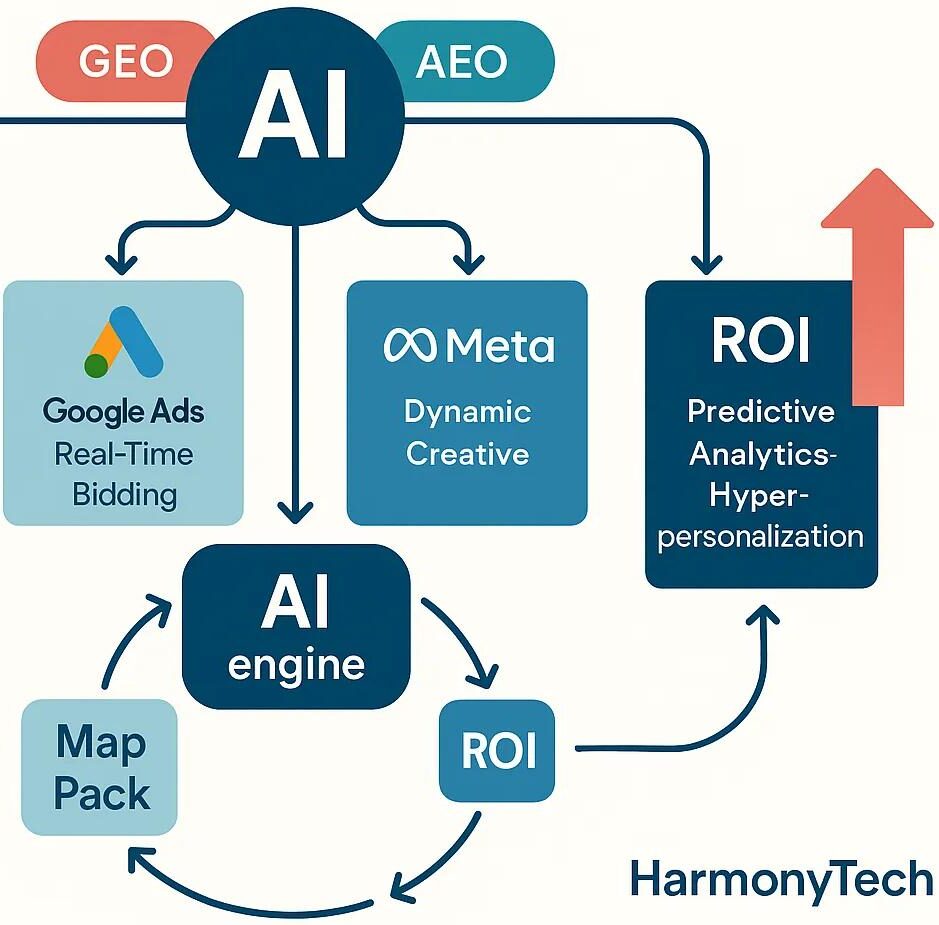
AI Answer Engine Optimization (AEO) is revolutionizing the way businesses approach digital marketing. As AI technologies evolve, understanding how to optimize content for AI-driven search engines becomes crucial for maintaining visibility and relevance. This comprehensive guide will delve into the requirements, best practices, and implementation strategies for effective AEO. Readers will learn how AEO differs from traditional SEO, the core technical requirements for success, and the best practices for crafting content that resonates with AI answer engines. Many businesses struggle to adapt to the rapid changes in search technology, but AEO offers a solution by enhancing online visibility and driving measurable results. We will explore the significance of AEO, its technical requirements, content strategies, local and voice search optimization, and how to measure success.
What is AI Answer Engine Optimization and Why Does It Matter?
AI Answer Engine Optimization (AEO) refers to the process of optimizing content specifically for AI-driven search engines, which prioritize direct answers to user queries. Unlike traditional SEO, which focuses on ranking in search engine results pages (SERPs), AEO aims to provide concise, accurate answers that AI systems can easily interpret and deliver. This shift is essential as more users rely on AI technologies for information retrieval, making it crucial for businesses to adapt their strategies accordingly. AEO not only enhances user experience by providing immediate answers but also improves brand visibility in an increasingly competitive digital landscape.
AEO: Becoming Part of the Answer
AEO is the process of optimizing content so it can be cited in AI-generated answers across platforms like Google’s AI Overviews, ChatGPT, and Perplexity. Instead of competing for clicks, the goal is to become part of the answer itself.
By Ad Age Staff November 03, 2025 10:00 AM EST
The integration of artificial intelligence into search engine algorithms is a foundational aspect of this evolution.
Applying AI Techniques to Search Engine Algorithms
of artificial intelligence in search engine optimization that has the techniques from the latest artificial intelligence. This is a search engine algorithms so they can respond appropriately.
Application of artificial intelligence (AI) in search engine optimization (SEO), Y Yuniarthe, 2017
How Does AEO Differ from Traditional SEO?
AEO differs from traditional SEO in several key aspects. While traditional SEO focuses on optimizing for search engine algorithms, AEO emphasizes the importance of structured data and direct answers. Traditional SEO often involves keyword optimization and backlink strategies, whereas AEO prioritizes content that can be easily understood and processed by AI systems. For instance, AEO requires businesses to utilize schema markup to enhance AI comprehension, which is also a focus in traditional SEO but is more critical for AEO. This fundamental difference highlights the need for businesses to rethink their digital marketing strategies in the age of AI.
What Are the Benefits of AEO for Small to Medium-Sized Businesses?
Small to medium-sized businesses (SMBs) can reap significant benefits from implementing AEO strategies. Firstly, AEO enhances visibility by ensuring that businesses appear in AI-generated answer boxes, which are often the first results users see. This increased visibility can lead to higher click-through rates and more traffic to their websites. Secondly, AEO can improve lead generation by providing potential customers with immediate answers to their queries, fostering trust and engagement. Lastly, adopting AEO strategies can give SMBs a competitive advantage over larger companies that may not have optimized their content for AI search engines.
What Are the Core Technical Requirements for Successful AEO?
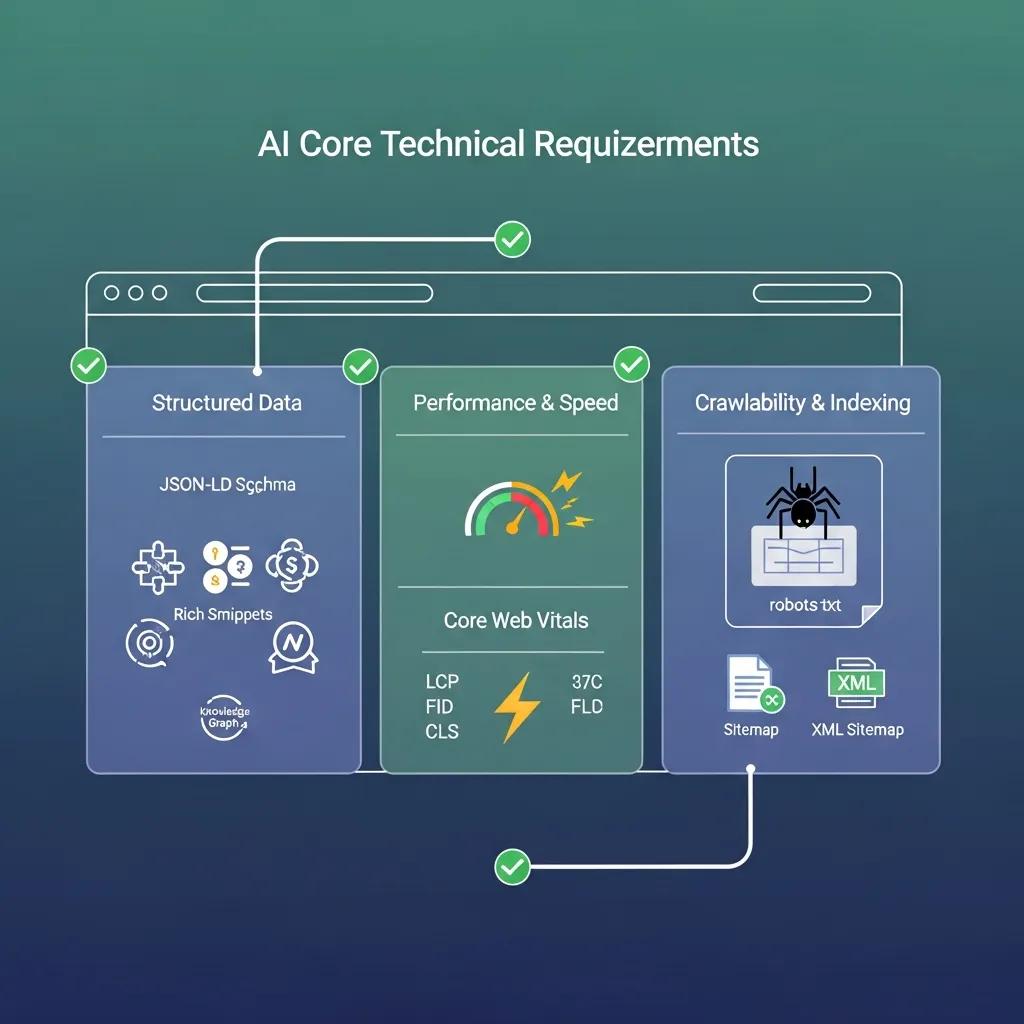
Successful AEO relies on several core technical requirements that ensure content is optimized for AI comprehension. These requirements include structured data implementation, website crawlability, and performance optimization. By addressing these technical aspects, businesses can significantly enhance their chances of being featured in AI-generated responses.
How Does Structured Data and Schema Markup Enhance AI Comprehension?
Structured data and schema markup play a vital role in enhancing AI comprehension. Structured data provides a standardized format for information, allowing AI systems to easily interpret and categorize content. For example, using schema markup to define product information, reviews, and FAQs helps AI engines understand the context and relevance of the content. This clarity increases the likelihood of being featured in answer boxes, thereby improving visibility and engagement.
Further emphasizing this point, research highlights the critical role of structured data in AEO.
AEO: Optimizing Content with Structured Data & Entity Strategies
AEO focuses on optimizing content for direct answer inclusion through structured data markup, entity-based content strategies.
The Impact of AI-Powered Search on SEO: The Emergence of Answer Engine Optimization
Why Are Website Crawlability and Performance Critical for AI Search?
Website crawlability and performance are critical for AI search because they directly impact how effectively AI systems can access and interpret content. A well-structured website with optimized loading speeds ensures that AI crawlers can efficiently index pages. If a website is slow or difficult to navigate, it may hinder the ability of AI systems to retrieve information, resulting in lower visibility in search results. Therefore, businesses must prioritize technical SEO practices to enhance crawlability and performance.
How to Craft AI-Optimized Answer Engine Content

Crafting content optimized for AI answer engines involves several best practices that focus on clarity, relevance, and user engagement. By following these strategies, businesses can improve their chances of being featured in AI-generated responses.
How to Create Answer-First Content That Captures Featured Snippets?
Creating answer-first content involves structuring information to provide direct answers to common questions. This approach increases the likelihood of capturing featured snippets, which are prominently displayed in search results. To achieve this, businesses should identify frequently asked questions in their niche and provide concise, informative answers. Additionally, using bullet points or numbered lists can enhance readability and make it easier for AI systems to extract relevant information.
How Can Question-Based Headings and Conversational Tone Improve AI Visibility?
Utilizing question-based headings and a conversational tone can significantly improve AI visibility. Question-based headings directly address user queries, making it easier for AI systems to match content with search intent. A conversational tone engages readers and encourages them to interact with the content, which can lead to longer dwell times and lower bounce rates. These factors signal to AI systems that the content is valuable, further enhancing its visibility in search results.
How to Implement Advanced AEO Strategies for Local and Voice Search?
Implementing advanced AEO strategies for local and voice search requires a tailored approach that considers the unique characteristics of these search modalities. By focusing on local optimization and voice search strategies, businesses can enhance their visibility in these growing areas.
What Are Effective Local AEO Techniques for South Florida SMBs?
For South Florida SMBs, effective local AEO techniques include optimizing Google Business Profile listings, utilizing local keywords, and encouraging customer reviews. By ensuring that business information is accurate and up-to-date, SMBs can improve their chances of appearing in local search results. Additionally, incorporating local keywords into content helps AI systems understand the geographical relevance of the business, further enhancing visibility.
How to Optimize Content for Voice Search and AI Assistants?
Optimizing content for voice search and AI assistants involves focusing on natural language and conversational phrases. As users increasingly rely on voice commands, businesses must adapt their content to reflect the way people speak. This includes using long-tail keywords and answering questions directly. Additionally, ensuring that content is concise and easily digestible will improve the chances of being selected by AI assistants for voice responses.
How to Measure and Monitor the Success of Your AEO Efforts?
Measuring and monitoring the success of AEO efforts is essential for understanding the effectiveness of implemented strategies. By tracking key performance indicators (KPIs) and utilizing appropriate tools, businesses can gain insights into their AEO performance.
This continuous monitoring aligns with how AI itself refines search results through learning and behavioral insights.
AI for Search Result Refinement & Multi-modal Data Structuring
AI refines search results based on real-time behavioral insights and market learning model optimization. Multi-modal AI systems that unify structured and unstructured data.
Deep Learning for Data Management: Enhancing Data Structuring and Query Optimization, R Alamu, 2025
Which KPIs Best Reflect AI Visibility and Citation Rates?
Key performance indicators that reflect AI visibility and citation rates include organic traffic, click-through rates, and the number of featured snippets captured. Monitoring these metrics provides valuable insights into how well content is performing in AI search environments. Additionally, tracking citation rates can help businesses understand their authority and relevance in their respective niches.
What Tools and Methods Are Recommended for Continuous AEO Tracking?
Several tools and methods can assist in continuous AEO tracking. Utilizing analytics platforms, such as Google Analytics and SEMrush, allows businesses to monitor traffic patterns and identify areas for improvement. Additionally, tools like Ahrefs can help track keyword rankings and featured snippets, providing a comprehensive view of AEO performance. Regularly reviewing these metrics enables businesses to adapt their strategies and optimize their content for ongoing success.
Different optimization strategies deliver distinct benefits through specific mechanisms.
| Strategy | Mechanism | Benefit | Impact Level |
|---|---|---|---|
| Structured Data Implementation | Enhances AI comprehension | Improved visibility in search results | High |
| Local Keyword Optimization | Targets specific demographics | Increased local traffic and engagement | Medium |
| Performance Optimization | Ensures fast loading times | Better user experience and lower bounce rates | High |
This comparison demonstrates how various AEO strategies can significantly enhance online visibility and engagement, particularly for small to medium-sized businesses.
AI Answer Engine Optimization is a critical component of modern digital marketing strategies. By understanding the requirements, best practices, and implementation techniques outlined in this guide, businesses can effectively enhance their online visibility and drive measurable results. As AI technologies continue to evolve, staying ahead of the curve with AEO will be essential for maintaining a competitive edge in the digital landscape.