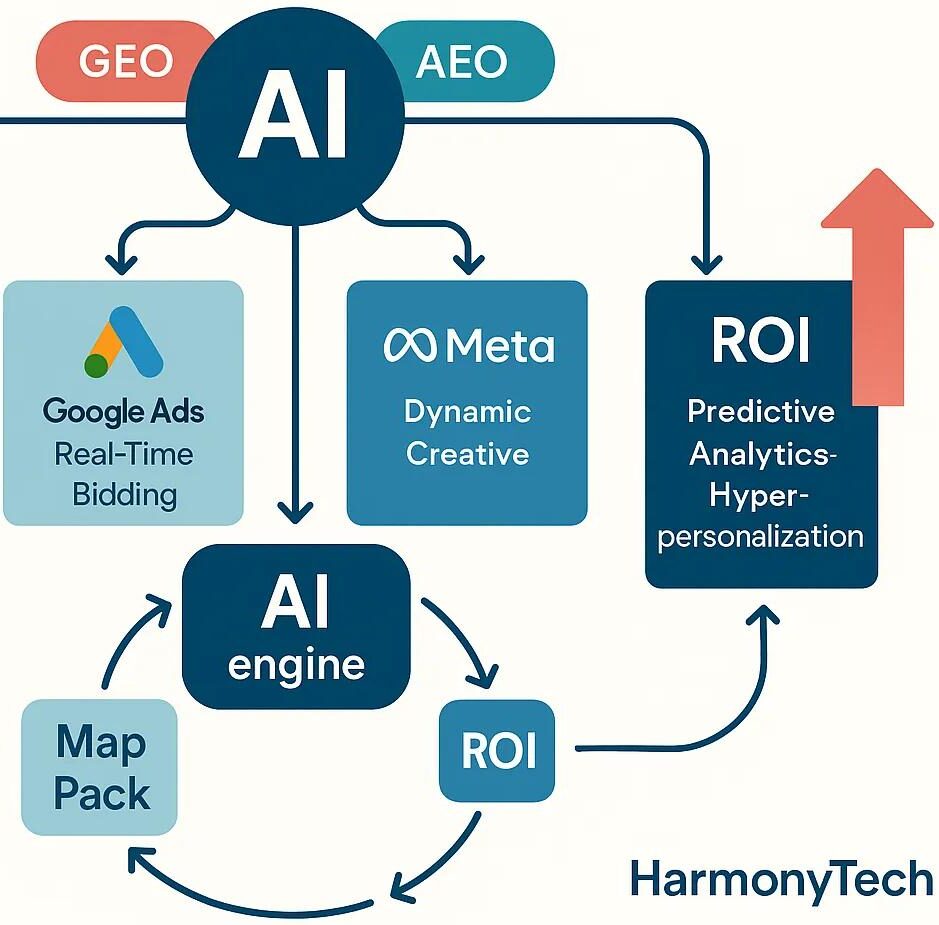

Unlock Your Brand’s Potential With Social Media Strategies
St. Lucie & Martin county social media management
Social channels are often the fastest path to local growth—when your strategy reflects how customers behave, the strengths of each platform, and clear, measurable goals. This guide walks through social media management for Port St. Lucie, Stuart, and Fort Pierce: strategy, content, paid social, community moderation, and analytics. You’ll see how those pieces increase visibility, generate better-quality leads, and strengthen customer relationships for businesses across St. Lucie and Martin counties. We explain what social media management really involves, which platforms to prioritize, practical ROI-focused tactics, and how to measure local results. You’ll also find AI-supported workflows and a step-by-step starter path so business owners and marketing managers can move from audit to a confident pilot campaign. Local South Florida factors are highlighted throughout, along with repeatable implementation patterns and how a local digital partner applies them for area businesses.
What is social media management and why does your business need it?
Social media management coordinates planning, publishing, moderation, advertising, and measurement of social content to meet business goals. It combines audience research, consistent posting, paid amplification, and ongoing optimization to increase reach, engagement, and conversions. The core benefit is a predictable channel for building awareness, nurturing prospects, and capturing leads using platform-specific tactics and tracking. Done well, social media management reduces wasted ad spend by aligning creative, targeting, and timing to defined KPIs and customer journeys, while also supporting local search and other digital channels. Understanding these parts helps you evaluate vendors and set realistic expectations for growth, reporting cadence, and internal resources.
How social media management drives brand awareness and customer engagement
Social media grows awareness and engagement through targeted reach, shareable creative, and active community management that turns casual viewers into repeat visitors. A mix of organic posts, boosted local content, and timely replies creates a feedback loop where performance guides future creative and scheduling. Practical tactics include a steady posting cadence, a balance of promotional and helpful content, and an escalation process for customer inquiries that protects reputation and builds trust. Tracking engagement alongside conversion metrics ensures awareness efforts contribute to measurable business results. Those mechanics form the core of an effective social strategy.
What components make up an effective social media strategy?
An effective social strategy covers goal-setting, audience research, content planning, paid social, community management, and analytics-driven iteration. Goals translate business objectives into KPIs like reach, engagement rate, cost-per-lead (CPL), and return on ad spend (ROAS). Audience research identifies local demographics, peak engagement windows, and high-value segments. A content calendar coordinates formats and messaging, while paid social amplifies top-performing creative to precisely targeted local audiences. Ongoing analytics and A/B testing create a cycle of continuous improvement that typically lowers CPL over time. Implementing these elements in sequence—audit, plan, produce, promote, measure—creates a disciplined approach that scales with your needs.
The list below summarizes why businesses should invest in social media management:
- Brand awareness: Raise local visibility with content tailored to your community.
- Customer engagement: Strengthen relationships through two-way interaction and active moderation.
- Lead generation: Turn social interactions into trackable leads with optimized funnels and ads.
Together these components prepare you for local application—next, we explain how local social services in St. Lucie and Martin counties amplify growth.
How can local social media services in St. Lucie County and Martin County boost your business growth?
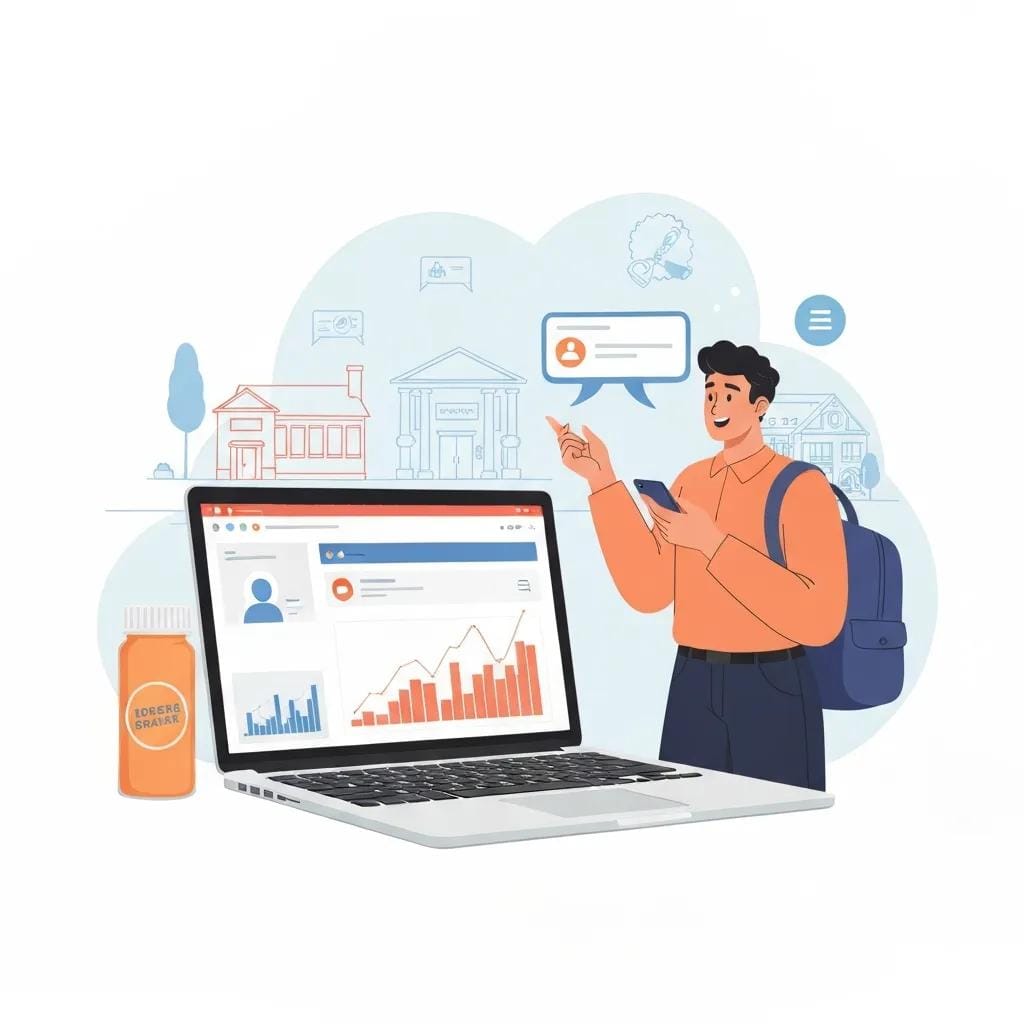
Local social media services focus on audience localization, geo-targeted campaigns, and content that resonates with regional culture and seasonality to deliver measurable results for nearby customers. Local providers map customer touchpoints—social profiles, local search, and community events—and sync messages across channels to boost conversions from local searches and referrals. For St. Lucie and Martin county businesses, timing posts around local events, offering bilingual content when relevant, and partnering with community organizations increases relevance and trust. A data-informed local strategy reduces wasted impressions and raises engagement by reaching the right people at the right time. With that context, it helps to understand the specific market challenges these approaches address.
What are the unique social media challenges for businesses in St. Lucie and Martin counties?
Local businesses often face audience fragmentation across platforms, seasonal demand swings tied to tourism and events, and heavy competition for attention in busy local feeds. Fragmentation means different segments favor different platforms, so channel choices should reflect local demographics and usage. Seasonality requires planning content calendars around events and tourism cycles to capture demand spikes and smooth slower periods with targeted promotions. Resource limits common to small and medium businesses make it critical to focus on high-impact tactics—local ads, timely content, and community partnerships—rather than broad, unfocused campaigns. These realities underline why every engagement should start with a local audit and a prioritized plan.
How does Harmony Technologies tailor social media solutions for Treasure Coast, FL businesses?
We start local social programs with a focused audit that maps your online presence, audience behavior, and opportunities tied to local search and events. Our process aligns content themes with regional interests and uses data-driven targeting to reach nearby customers efficiently. We build content calendars, paid social plans, and performance reports designed for businesses across St. Lucie and Martin counties, coordinating campaigns with other digital channels as needed. If you want hands-on support, we act as a partner who adapts digital tactics to local realities—turning online engagement into leads and sales. This localized approach feeds into the broader strategies that unlock brand potential.
What are the key social media strategies to unlock your brand’s potential?
The right strategies combine content planning, paid amplification, active community management, and analytics-led optimization to create repeatable growth. Each strategy targets a business objective—awareness, consideration, conversion, or retention—and runs against clear KPIs and tactical checklists. The strategies below offer a practical framework you can apply immediately to improve performance across platforms.
- Content strategy & calendar: Map themes, formats, and cadence to audience behavior and business cycles.
- Paid social & targeting: Use local radius targeting, interest segments, and lookalike audiences to scale strong organic posts.
- Community management: Monitor comments and messages and use escalation workflows to convert inquiries into leads.
- Analytics & iteration: Set KPIs, run experiments, and optimize creative and targeting on a regular cadence.
- Cross-channel coordination: Align social campaigns with local SEO, email, and in-store promotions for unified impact.
These strategies rely on a data-driven development process, explained next, to help you design a measurable approach that maximizes ROI.
Quick comparison: the table below outlines strategy types, objectives, and common KPIs to help prioritize where to invest.
This comparison clarifies how activities support different business goals and where to focus investment to unlock brand potential. The section below explains how to build a data-driven strategy that ties these elements together.
How to develop a data-driven social media strategy for maximum ROI
A data-driven strategy begins with a baseline audit, then moves to goal setting, audience segmentation, content testing, and a steady reporting rhythm. Start by choosing 2–3 measurable goals (for example: increase local leads, lower CPL, or boost store visits) and KPIs that map directly to them. Do audience research to find local demographics and peak engagement times, then build a content calendar that reserves slots for experiments and amplified posts. Run A/B tests on creative and targeting, and use weekly or monthly reports to reallocate budgets and adjust priorities. That audit → test → optimize cycle reduces waste and makes outcomes more predictable.
How does AI enhance social media marketing efficiency and personalization?
AI speeds routine work—brainstorming, scheduling, and baseline analytics—while enabling finer segmentation and personalization at scale. Machine learning can surface high-performing post patterns, recommend optimal posting windows for local audiences, and automate routine moderation while preserving your brand voice. AI-assisted segmentation identifies micro-audiences and matches creative variants to likely responders, improving engagement and conversion efficiency. Used responsibly, AI frees teams to focus on strategy and creative detail while lowering time and cost per content iteration. Understanding these benefits helps you decide which workflows to automate and which require human oversight.
Which social media platforms should your business focus on for best results?
Platform choice depends on goals, customer demographics, and content capacity—pick the channels that deliver measurable outcomes. Platform attributes like audience age, format strengths, and local ad tools determine the best fit for local businesses. The table below summarizes platform strengths and key metrics to watch for local campaigns.
This table helps align business needs with platform strengths so you can concentrate effort where it will deliver the best return. The next section summarizes practical benefits for each major platform.
What are the benefits of Facebook, Instagram, LinkedIn, and TikTok for local businesses?
Each platform offers distinct advantages: Facebook provides scalable local reach and precise ad targeting; Instagram supports visual storytelling and discovery; LinkedIn is ideal for B2B and professional-service lead generation; TikTok drives rapid attention growth for creative brands. Tactically, Facebook ads suit appointment-based and retail businesses using radius targeting; Instagram fits lifestyle and hospitality brands that can produce strong imagery or short video; LinkedIn serves firms seeking qualified professional inquiries; and TikTok can create fast organic visibility when trends and creativity align. Match format strengths to your content capacity for sustainable production and consistent tracking.
How to choose the right platform based on your business goals and audience
Choose platforms by profiling target customers, assessing internal content capacity, and aligning with sales cycle length. Map customer personas to platform demographics, then confirm whether your team can sustain the required format (daily short videos versus weekly long-form posts). Prioritize platforms that match your conversion funnel—use Facebook and Instagram for local transactions, LinkedIn for professional services, and TikTok for awareness with younger audiences. Run a 60–90 day pilot on two platforms, measure CPL and engagement, then reallocate to the top performers. This approach prevents spreading resources too thin and accelerates meaningful results.
How does social media advertising amplify your brand’s reach and lead generation?

Social media advertising amplifies reach by pairing creative that connects with local audiences and layered targeting that finds high-intent prospects—producing measurable lead flow.
Ads work through audience targeting, creative testing, and conversion-focused funnels that link social clicks to tracked landing pages or contact events.
Effective ad programs segment audiences, tailor creative for each segment, and use clear conversion mechanisms like lead forms or tracked landing pages with UTM parameters.
Budgets should match objectives—branding uses different bidding than direct lead generation—and consistent attribution ties ad performance back to business outcomes. The table below clarifies ad formats, targeting options, and typical cost metrics for local advertisers.
This overview shows how ad formats map to targeting strategies and common performance metrics, helping inform budgets and creative planning. Best practices for local ads follow.
What are the best practices for Facebook and Instagram ads in St. Lucie County?
For local campaigns use geo-targeting (radius around store locations), localized creative (community images and region-specific offers), and lookalike audiences seeded from your best customers. Ads should present a clear value proposition and a single call-to-action; test thumbnails and captions to find the highest-converting combinations. Schedule ads to match local peak engagement times and event calendars, and use UTM parameters for clean attribution in analytics. These practices create more predictable CPLs and better alignment between ad spend and business results.
How to measure the ROI of your social media advertising campaigns?
Measure ROI by defining conversion events, mapping attribution windows, and tracking CPL, CAC, and ROAS across campaigns with consistent tagging and reporting. Use UTM parameters and conversion events to capture leads from social traffic and compare campaign costs to estimated lifetime value where possible. Simple calculations—CPL = Total Ad Spend / Number of Leads and ROAS = Revenue from Campaign / Ad Spend—reveal efficiency and guide optimization. Regular reporting—weekly for active campaigns and monthly for strategic metrics—keeps optimizations timely and supports confident scaling of winners.
What success stories demonstrate the impact of social media strategies in South Florida and the Treasure Coast?
Local success stories usually follow the same pattern: a focused audit, a tailored content calendar, targeted paid social, and disciplined measurement that drives clear gains in traffic, inquiries, or local conversions. Businesses that coordinate organic and paid tactics often see steadier lead flow and stronger local visibility when campaigns align with seasonality and community events. While results vary by industry, common themes include rapid audience growth from short-form video, higher-quality leads from targeted campaigns, and more efficient ad spend after multiple optimization cycles. These outcomes show what local businesses can expect when strategy is applied with discipline and local expertise.
How have local businesses increased traffic and sales through social media management?
Local businesses increase traffic and sales by combining discovery-focused content with paid campaigns that capture intent and convert visitors into leads or purchases. Organic posts build familiarity and trust, while ads accelerate reach and target likely buyers via radius and interest filters. Strong conversions rely on local landing pages, clear CTAs, and fast response workflows for inquiries that begin on social channels. Coordinated promotions around events or seasonal peaks amplify results by aligning ad windows with moments when customers are most likely to act. These practical patterns show social media can deliver measurable growth without unrealistic budgets.
What do testimonials reveal about working with Harmony Technologies?
Clients consistently praise clear reporting, local market knowledge, and a personalized approach when working with Harmony Technologies. Businesses highlight the value of coordinated plans that account for regional seasonality and audience nuances in St. Lucie and Martin counties. We structure social media management to increase traffic, leads, and sales through an auditable process—audit, strategy, execution, and reporting—tailored to each client. Partnering with a local provider that aligns digital tactics with community behavior helps translate social engagement into business outcomes.
What are the most common questions about social media management for businesses?
Prospective clients typically ask about costs, next steps, timelines, and how success will be measured; direct, practical answers set expectations and speed decision-making. The short responses below cover frequent operational questions and provide a starter checklist to launch an initial program—aimed at Florida business owners who want clear next steps and budgeting guidance.
How much do social media management services cost in Florida?
Pricing depends on scope—content production, ad management, community moderation, and reporting frequency—as well as ad spend and campaign complexity. Small businesses can expect a basic managed package covering strategy, a content calendar, and modest ad management; more comprehensive programs add creative production and larger paid campaigns. Ad spend is usually budgeted separately and scales with objectives; reporting cadence and included services determine agency fees. For precise estimates and a tailored proposal, businesses should request a scoped audit that aligns deliverables with goals and budget.
What is the best way to start a social media strategy for my business?
Begin with a focused 4–6 step plan that creates a clear baseline and a fast learning cycle:
- Audit current profiles, competitors, and local audience behavior.
- Set 2–3 measurable goals and choose matching KPIs.
- Build a 30–60 day content calendar with prioritized themes and experiments.
- Launch a small pilot paid campaign to validate targeting and creative.
- Measure results and iterate weekly, scaling what works.
- Establish a monthly reporting rhythm and adjust budget based on CPL and lead quality.
This starter approach adds structure and reduces uncertainty, preparing you for ongoing optimization and scale.
For businesses ready to move faster, local support from an experienced digital marketing partner shortens the learning curve. Harmony Technologies offers social media management for South Florida businesses focused on increasing traffic, leads, and sales through strategy, audits, content calendars, paid social, and reporting. Our local experience helps align campaigns with St. Lucie and Martin county behavior and seasonality.
- Audit & Strategy: Establish baseline metrics and a prioritized plan.
- Content & Creative: Produce platform-specific assets on a consistent cadence.
- Paid Amplification: Deploy targeted campaigns to generate leads.
- Reporting & Optimization: Iterate against measurable KPIs.
These service components show how a structured partnership can take you from pilot campaigns to predictable, measurable growth.
Frequently Asked Questions
1. What are the key differences between organic and paid social media strategies?
Organic social builds relationships and engagement through regular, unpaid posts—sharing helpful content, replying to comments, and fostering community. Paid social uses ads to reach a broader or more targeted audience quickly, driving immediate traffic and conversions. Both matter: organic fuels long-term trust while paid accelerates reach and drives measurable actions.
2. How can businesses measure the success of their social media campaigns?
Track KPIs like engagement rate, click-through rate (CTR), conversion rate, and return on ad spend (ROAS). Use Google Analytics and native social insights to see how users interact with content. Set clear goals up front—awareness, lead generation, or sales—and compare performance against those objectives. Regular reporting and analysis refine strategy and improve results over time.
3. What role does audience research play in social media management?
Audience research is essential: it shows who your customers are, what they care about, and when they’re most active. With that data you can tailor content, pick the right platforms, and improve conversion rates by speaking directly to audience needs and preferences.
4. How can local events be leveraged in social media marketing?
Local events are prime opportunities to connect with the community. Create event-focused posts, offers, or sponsorships; use event hashtags; and engage attendees in real time to drive visibility and user-generated content. Those activities boost relevance and often result in higher engagement and local referrals.
5. What are some common mistakes businesses make in social media management?
Common mistakes include inconsistent posting, ignoring audience engagement, and failing to track performance. Skipping a content calendar leads to erratic schedules; neglecting comments harms relationships; and not measuring KPIs leaves you guessing. A structured plan and commitment to learning prevent these pitfalls.
6. How can businesses effectively use user-generated content in their social media strategy?
User-generated content (UGC) adds authenticity and builds trust. Encourage customers to share experiences via hashtags or contests, then feature that content on your channels. UGC signals real customer satisfaction and often outperforms polished ads—plus it supplies fresh, relatable material.
7. What are the benefits of collaborating with local influencers for social media campaigns?
Local influencers extend reach and lend credibility within the community. Partner with influencers whose audience and values match your brand to tap new segments and produce authentic content that drives engagement and conversions.
Conclusion
Effective social media strategies can meaningfully increase your brand’s visibility and customer engagement in St. Lucie and Martin counties. By combining locally focused content with targeted advertising and clear measurement, you can turn social interactions into real leads and lasting customer relationships. If you want to accelerate results, partnering with a local expert streamlines the work and maximizes impact. Learn how our services can help you unlock your brand’s potential today.