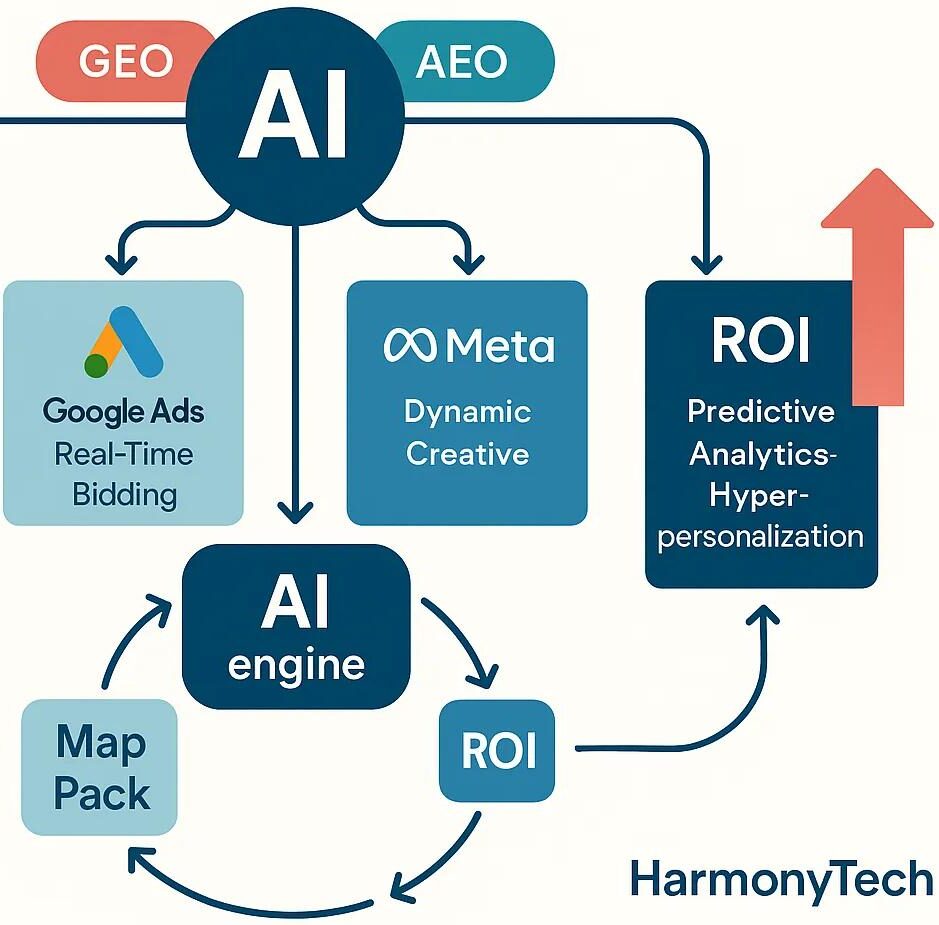
Online Reviews: The Key to Effective Reputation Management

How Online Reviews Guide Buying Decisions and Influence Consumer Behavior
Online reviews are public customer accounts that help shoppers judge credibility, surface real-world details, and lower perceived risk. This guide explains how reviews steer decisions—through social proof, star ratings, review volume, and multimedia—and offers clear actions for both buyers and businesses. Many shoppers rely on reviews to narrow choices, verify everyday performance, and estimate satisfaction before committing. Knowing which review signals matter, and what to do with them, improves decision accuracy and marketing results. You’ll learn how positive and negative reviews affect conversion, which review formats carry the most weight, how social proof drives sales, and practical reputation-management tactics like response templates and solicitation workflows. The guide also includes checklists for spotting fake reviews, comparative tables of social-proof formats and platform signals, and a look at rising trends such as video feedback and influencer endorsements. Where relevant, we show how Harmony Technologies applies these tactics to generate measurable leads for clients.
What Role Do Online Reviews Play in Shaping Consumer Buying Behavior?
Reviews act as both social proof and factual input that reduce uncertainty throughout the purchase funnel. They combine quick signals—like star averages—with narrative details that set realistic expectations, and that combination makes conversion more likely. Research shows that higher review counts and recent, specific reviews increase trust and lower perceived risk—especially for local services and higher-consideration buys. Understanding these dynamics helps marketers choose which review attributes to highlight and helps shoppers scan feedback more efficiently for decision-relevant information.
Reviews influence choices through a few straightforward mechanisms:
- Social proof: shows what other people prefer and narrows options.
- Informational value: provides use-case details and realistic expectations.
- Risk reduction: lowers purchase anxiety with verified experiences.
- Expectation setting: clarifies typical outcomes so satisfaction aligns with reality.
These mechanisms explain how positive and negative feedback shift buying behavior and which review formats matter most for consumer trust.
How do positive and negative reviews affect purchase choices?

Positive reviews increase conversion by signaling consistent quality and dependable results. Negative reviews raise doubts and can stop purchases when they highlight safety concerns or repeated failures. Often a single detailed negative—describing a recurring defect, for example—carries more weight than several vague positives because specifics feel more credible. Shoppers weigh recency, reviewer history, and verified-purchase markers when updating beliefs. For businesses, the practical step is to publicly address concrete complaints and actively collect specific, use-case reviews to balance inevitable negatives and restore trust.
Which types of reviews most impact consumer trust and confidence?
The most persuasive reviews are detailed narratives that explain use case, frequency, and comparisons—those help shoppers judge fit and predict satisfaction. Verification badges and consistent reviewer histories add credibility by making fabrication less likely; photos and videos provide sensory confirmation that strengthens trust. Star-only ratings are a quick filter, but conversion gains are highest when scores are backed by narrative detail and multimedia. Knowing this hierarchy helps consumers focus on the most useful feedback and helps businesses encourage the right kinds of reviews.
How Does Social Proof from Customer Feedback Drive Sales?
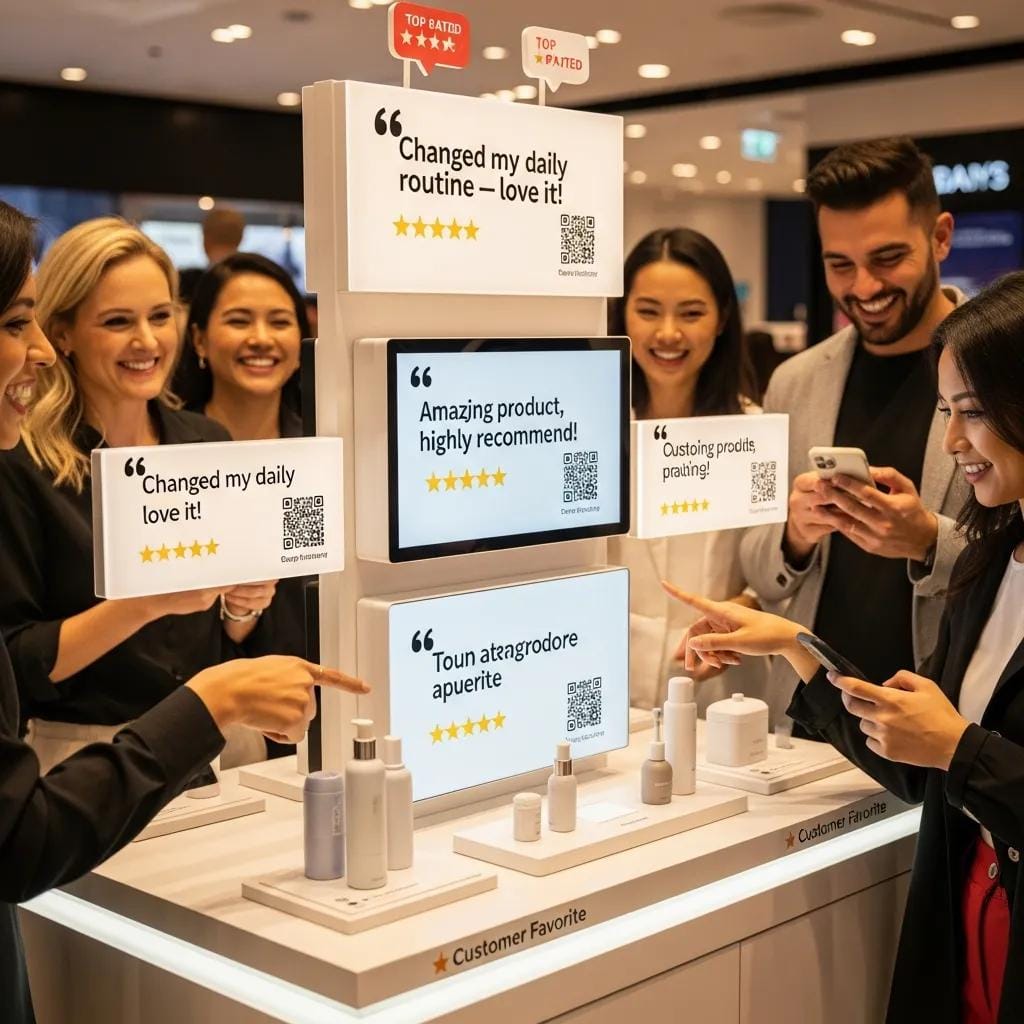
Social proof builds buyer confidence by showing that real people chose and benefited from a product or service. It moves metrics—click-throughs, conversions, and perceived value—by simplifying comparisons: visible popularity and satisfaction shorten decision time and often increase willingness to pay. Retailers and local businesses can surface social proof across listings, product pages, and ads to improve discoverability and conversion. Local SEO signals, like Google Business Profile reviews, also boost search visibility. Because social proof ties directly to measurable sales outcomes, it’s one of the highest-impact levers for e-commerce and local services.
- Feature top-rated testimonials on landing pages to create immediate credibility.
- Place aggregated star ratings near CTAs to gently nudge conversions.
- Use user-generated photos and short videos to make product pages more persuasive.
- Show review counts alongside ratings to signal trust through volume.
Below is a quick comparison of common social-proof formats and how they affect trust.
If you want to see how these tactics turn into measurable lead generation, Harmony Technologies helps clients showcase expertise, build trust, and convert review signals into qualified inquiries—contact us to design a plan that fits your needs: Contact Harmony Technologies.
Why is social proof critical in online reputation management?
Social proof multiplies trust in reputation management: consistent positive signals plus volume make listings more attractive and often increase search placement. Platforms typically favor well-reviewed listings with higher visibility in local packs and search results, creating a feedback loop of discovery and acquisition. Practically, embedding testimonials on high-traffic pages and surfacing platform reviews like Google Business Profile improves click-through and conversions. Reputation managers therefore treat social proof as both a defensive and offensive tool to shape perception and search performance.
How do star ratings and review volume influence consumer perception?
Star ratings act as a quick heuristic—shoppers use averages as a first screen—while review volume provides the statistical weight that separates an outlier from a pattern. A 4.5-star product with 1,000 reviews usually converts better than a perfect 5.0 with only two reviews because volume signals consistency. Category context matters: customers’ expectations and platform norms shift acceptable thresholds. Balancing score and count helps marketers focus solicitation and amplification strategies that maximize perceived trust.
What Are Effective Reputation Management Strategies for Businesses?
Effective reputation management combines continuous monitoring, clear response protocols, proactive review generation, and amplification of positive feedback. Monitoring uses alerts and platform checks (Google Business Profile, Yelp, niche sites) to capture new reviews quickly. Response protocols standardize empathetic acknowledgement, remediation offers, and offline resolution paths. Solicitation programs increase review volume and specificity with timed requests and verified-review flows. Finally, amplification places testimonials in paid and organic channels to multiply impact. Together, these tactics reduce the asymmetric effect of occasional negatives and support steady lead generation.
- Monitor reviews in real time with alerts to enable quick, reputation-saving responses.
- Use standardized response templates that acknowledge, empathize, and offer remediation to reclaim trust.
- Implement post-transaction review solicitation with verified-purchase flows to boost authenticity.
- Feature positive reviews across landing pages and listings to convert searchers into customers.
- Track sentiment and themes to guide product and service fixes that reduce repeat complaints.
Here’s a compact table comparing each tactic by effort and expected lead-generation benefit.
That comparison helps teams prioritize time and budget toward the tactics that produce the best lead-generation impact.
If you’d like help turning review programs into predictable lead flow, Harmony Technologies builds targeted review strategies and execution plans that connect satisfied customers to prospective buyers—reach out to start the conversation.
How can businesses respond to negative reviews to protect their reputation?
Begin with a prompt acknowledgement, genuine empathy, a clear remediation offer, and an invitation to continue the conversation offline. Effective responses name the issue, explain next steps, and, when appropriate, propose a concrete remedy while protecting the reviewer’s privacy by moving details to direct channels. If escalation is required—fraud, abuse, or policy violations—document interactions and follow platform removal or moderation workflows. Templated replies that sound human and focus on problem-solving often turn unhappy customers into advocates.
What proactive steps improve online review quality and quantity?
Prioritize timing, simplicity, and clear prompts. Ask for reviews within an optimal window after purchase or service, use verified-request flows to link feedback to transactions, and give short prompts that ask customers to mention specific features or use cases. Follow platform rules—avoid incentivized reviews that violate policies—to protect long-term authenticity. A thoughtful follow-up cadence and a low-friction submission flow increase both review count and the usefulness of feedback.
Harmony Technologies can help set up compliant solicitation flows and site experiences that grow verified, decision-relevant reviews while keeping platforms’ rules intact—contact us to learn how we apply these practices for clients.
Why Is Customer Feedback Important for Consumer Decision-Making?
Customer feedback provides practical evidence of how products and services perform outside controlled settings: usability, durability, and everyday satisfaction that manufacturer claims can’t fully capture. Detailed feedback helps shoppers match offerings to their needs by supplying context—frequency of use, environment, and comparisons—that sharpens expectations and lowers mismatch risk. For businesses, feedback is a source of product insight that guides iteration, positioning, and messaging; for consumers, it builds confidence and reduces purchase anxiety. Both sides benefit when solicitation quality and respondent authenticity are prioritized.
Granular feedback often predicts long-term satisfaction better than aggregate ratings alone. Consumers should look for reviews that describe context, frequency, and outcomes to form realistic expectations. From a data perspective, review attributes—star rating, specificity, recency, verification—connect reviewer claims to product attributes and outcomes, making feedback actionable for future buyers.
How does detailed feedback enhance product and service evaluation?
Detailed reviews improve predictive value by including use-case specifics, comparisons, and outcome descriptions that help buyers assess fit. A line like “used daily for six months; battery life dropped by half at month five” gives practical expectations that generic praise cannot. Encourage this level of detail with guided prompts that ask reviewers for context and outcomes. Shoppers scanning reviews should prioritize recent, detailed narratives to form a realistic picture of likely satisfaction.
What role do verified reviews play in increasing consumer confidence?
Verified reviews—those tied to confirmed purchases or service records—build trust by making fabricated or incentivized feedback less likely. Platforms that display verification badges help shoppers prioritize reliable signals. For businesses, growing the share of verified reviews improves overall trust metrics and diminishes the influence of suspicious outliers. Showing verified badges alongside narrative detail tends to lift conversion more than non-verified content alone.
How Can Consumers Identify Trustworthy Online Reviews?
Look for verification badges, reviewer history, review specificity, multimedia evidence, and timing patterns that suggest organic behavior rather than coordinated bursts. A short checklist helps shoppers evaluate reviews quickly: prioritize verified purchases, prefer recent and detailed narratives, check reviewer profiles for activity, and watch for sudden clusters of similar language. Platforms use verification and fraud detection, but consumer judgment remains important for nuanced interpretation. Combining these signals increases the odds of relying on accurate reviews.
- Prioritize verified purchase badges as a strong authenticity indicator.
- Reviewer history and varied activity suggest credibility.
- Photos and videos back up text claims and improve trust.
- Sudden bursts of repetitive language may indicate coordinated or fake activity.
Use that checklist to interpret platform signals and consult the table below comparing verification approaches across platforms.
This comparison helps shoppers decide which platform signals to trust and how those mechanisms affect confidence.
What are common signs of fake or biased reviews?
Watch for repetitive phrasing across multiple reviews, many submissions in a short window, generic language without specifics, and accounts with only a single review or no profile history. Extremely polarized language—only glowing praise or total condemnation—without nuance often signals bias. Missing or inconsistent disclosure of incentives is another red flag. Cross-referencing reviewer profiles and looking for multimedia support helps filter suspect content.
How do review platforms ensure authenticity and reliability?
Platforms combine purchase verification, algorithmic fraud detection, community moderation, and reporting tools to curb fake reviews. Verification badges, machine-learning detection of suspicious patterns, and human moderation create layered defenses that improve integrity over time. No system is perfect, but platforms that publish moderation policies and show reviewer activity offer clearer signals of reliability. Understanding these controls helps consumers interpret badges and moderation notes as part of a broader trust assessment.
What Trends Are Emerging in Online Review Influence on Consumer Decisions?
Emerging trends include a growing emphasis on video and multimedia reviews, a larger role for influencer and expert endorsements alongside peer reviews, and wider use of AI for moderation and summarization. Multimedia conveys physical details and emotional context that text alone often misses, boosting perceived authenticity. Influencers help discovery, while peer reviews remain decisive at the moment of purchase. AI tools are changing how reviews are surfaced and summarized, which affects discoverability and credibility. Staying current with these trends helps businesses adapt review programs to preserve relevance and trust.
Because multimedia is gaining importance, businesses should make it easy for customers to submit photos and short videos. Platforms increasingly index visual content, and the mix of influencer reach plus peer-review authenticity creates a layered trust environment: influencers spark interest; user reviews close the sale. AI-driven moderation and summarization will keep reshaping which reviews appear first and how shoppers interpret them.
How is video and multimedia feedback changing consumer trust?
Video and photo reviews provide visual confirmation of condition, scale, and real-world use, reducing ambiguity left by text-only feedback. Consumers often treat moving images and demonstrations as harder to fake, so multimedia usually converts better than equivalent text. Businesses that request and feature customer videos on product pages or social channels increase perceived authenticity and can speed the buyer journey. Keep submission workflows simple and encourage short, candid visual stories while following platform rules.
What impact do influencer and expert reviews have compared to regular customer feedback?
Influencer and expert reviews broaden awareness and add authority, helping products reach new audiences and shorten consideration. Peer reviews, however, provide the practical context and relatability that drive final purchase decisions. Influencer content excels at discovery and trial; verified user reviews typically have stronger influence on conversion because they reflect everyday experience. Use influencers to expand reach and build credibility, while cultivating authentic customer reviews for conversion-stage trust.
Harmony Technologies helps clients combine influencer strategies with scaled review programs to create coordinated discovery and conversion funnels—get in touch to see how we align those channels with your sales goals.
Frequently Asked Questions
How can consumers effectively use online reviews to make better purchasing decisions?
Use a pattern-based approach: prioritize verified reviews, favor recent and detailed narratives that explain use case and outcome, and look at trends rather than single ratings. Combine review signals—stars, text, multimedia, reviewer history—to form a balanced view and avoid overreacting to isolated praise or complaints.
What are the potential downsides of relying on online reviews?
Reviews can be biased or unrepresentative of the average experience. Fake or incentivized reviews can mislead, and too much information can cause analysis paralysis. Treat reviews as one input: weigh them alongside product specs, return policies, and overall brand reputation to reach a reasoned choice.
How do businesses benefit from actively managing their online reviews?
Active review management builds trust, improves search visibility, and turns feedback into product and service improvements. Responding to reviews shows you care and can boost loyalty. Soliciting and amplifying positive reviews also strengthens conversion and creates more predictable lead flow.
What strategies can businesses implement to encourage more customer reviews?
Ask at the right time—shortly after a positive interaction—make the process frictionless with direct links and short prompts, and use verified-request flows to tie reviews to purchases. Offer non-conditional incentives only where platform policies allow. Regular, polite reminders in a structured cadence outperform one-off requests.
How can consumers differentiate between genuine and fake reviews?
Look for detailed descriptions, verified purchase badges, and reviewer histories. Be cautious of clusters of similar wording or a sudden flood of reviews. Multimedia and balanced language that lists pros and cons are usually more credible than overly generic praise or extreme language.
What role does the timing of reviews play in consumer perception?
Recency matters: recent reviews reflect the current state of a product or service. A steady stream of recent feedback signals ongoing quality; a long gap in reviews can suggest neglect or a change in performance. Businesses should maintain consistent review generation to keep profiles current and trustworthy.
Conclusion
Online reviews shape choices by providing social proof, concrete evidence, and signals that reduce buying risk. Consumers who read reviews with a simple checklist—verification, recency, specificity, and multimedia—make better decisions. Businesses that monitor feedback, respond well, encourage verified reviews, and surface testimonials in the right places strengthen reputation and drive sales. Treat reviews as a strategic asset: they inform product decisions, improve customer experience, and convert prospects into leads.