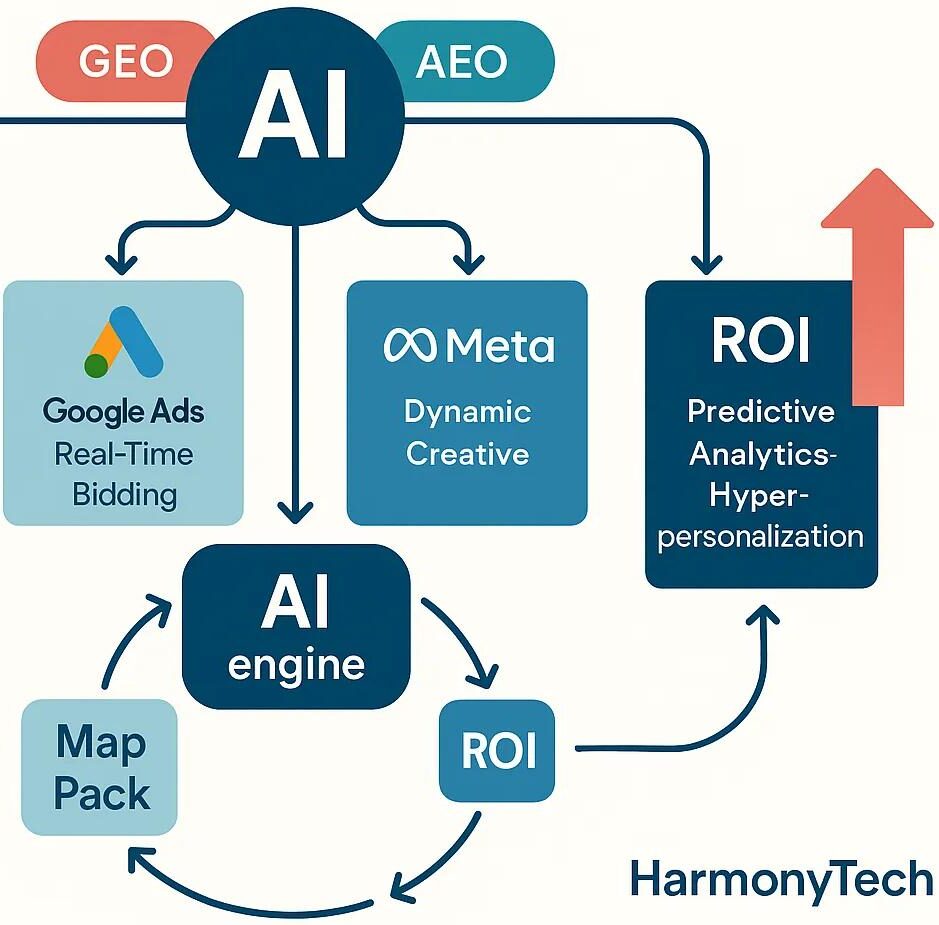
Essential Technical SEO for AI Digital Marketing Agencies

AI Technical SEO: Tactical playbook for agencies to boost performance and protect crawl budget
The pace of digital marketing keeps accelerating. Technical SEO is no longer optional — it’s a core capability for agencies that need fast sites, reliable indexing, and smarter use of crawl budget. This guide lays out AI-informed, tactical steps you can apply now to streamline SEO workflows, lift site performance, and make every crawl count. We’ll cover how AI reshapes technical SEO, practical crawl-budget moves, the payoff from semantic SEO, time-saving audit tools, and how to prepare for LLM- and AI-driven search behavior.
How does AI transform technical SEO for digital marketing agencies?
AI takes on the heavy, repetitive analysis and surfaces patterns teams might miss for weeks. Machine learning ingests server logs, crawl data, and user signals at scale to show which pages matter and where friction exists. That clarity helps teams prioritize fixes that speed pages, improve indexing, and smooth user journeys. On the content side, modern AI clarifies intent and keyword context, making targeting more precise and less guesswork-driven.
Research backs this shift: AI is becoming a central lever in competitive SEO and digital marketing strategies.
AI-Powered SEO & Digital Marketing for Agencies
This study explores how artificial intelligence strengthens market competitiveness when applied to SEO and digital marketing in e-commerce contexts. As marketplaces rely more on algorithms, businesses must improve visibility, personalization, and customer engagement. The research finds that technologies like machine learning, natural language processing, robotic process automation, and predictive analytics reshape marketing workflows across the funnel — from discovery to conversion.
Enhancing market competitiveness through AI-powered SEO and digital marketing strategies in e-commerce, R Hasan, 2025
What are the core AI-driven technical SEO strategies agencies and businesses should implement?
Begin with these foundational AI approaches that deliver quick, measurable value:
- Automated Keyword Research: Use AI to detect emerging search trends and map user intent to high-value keyword opportunities, accelerating discovery and prioritization.
- Content Optimization: Let data-driven recommendations guide on-page improvements based on engagement and relevance so your content stays useful and competitive.
- Predictive Analytics: Forecast topical demand and traffic shifts so you act proactively instead of reacting to drops or ranking changes.
Together, these tactics reduce manual work and increase the impact of your SEO efforts.
How does AI enhance website performance optimization?

AI helps you find and fix performance bottlenecks faster. Automated monitors flag slow endpoints, oversized assets, and rendering issues. Image and media optimization can be automated to deliver the right size and format per device. With continuous alerts and prioritized remediation, teams keep sites fast for visitors and favorable for search engines.
What are the best AI-powered methods for managing crawl budget effectively?
Managing crawl budget means directing bots to the pages that matter. AI combines crawl behavior and page value to recommend targeted actions — allow, disallow, consolidate — so crawlers spend time where it drives business results.
How can AI tools optimize crawl budget for large and complex websites?
On large sites, AI parses server logs and crawl data to reveal low-value URLs, duplicate clusters, and inefficient redirects. That insight supports smart rules (noindex, canonicalization, robots directives) and prioritizes indexing for pages that convert. The net effect: fewer wasted crawls and better coverage for revenue-generating content.
What role does server log analysis AI play in crawl budget management?
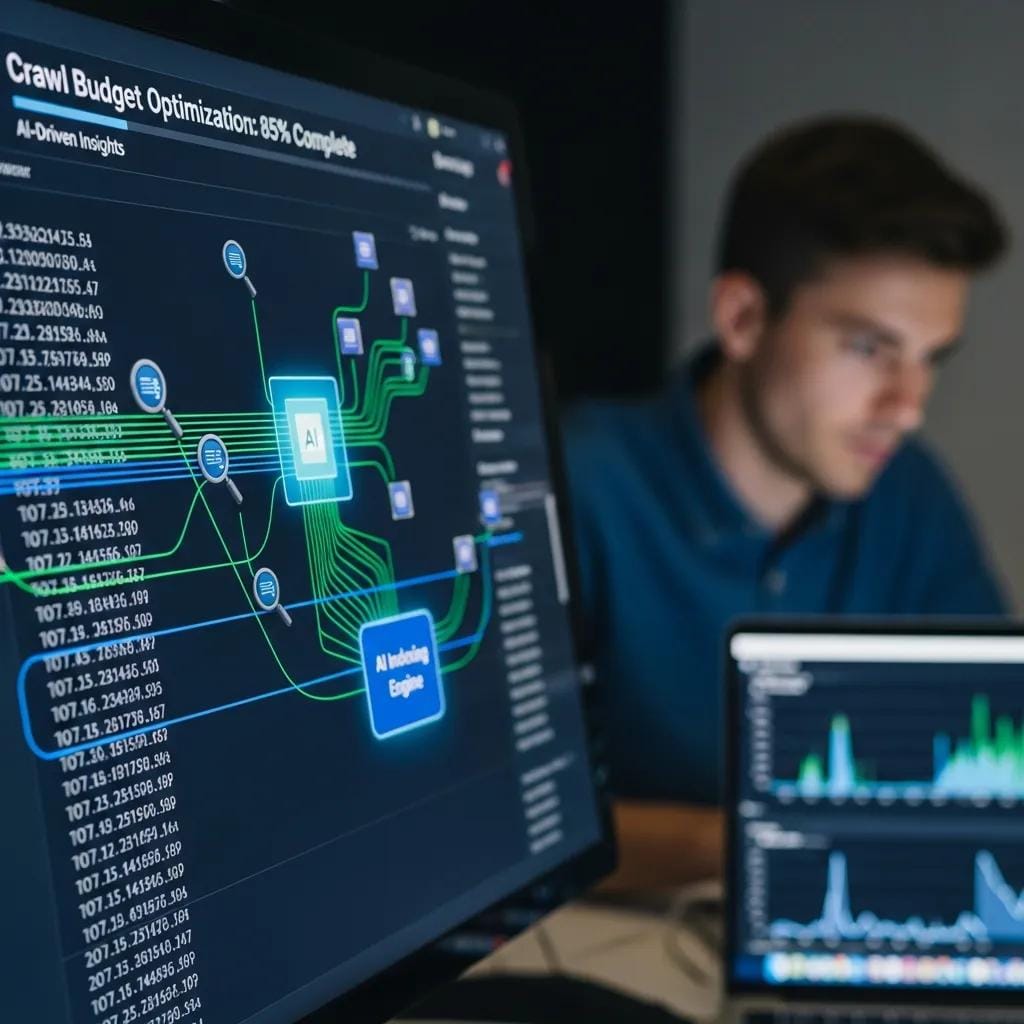
Server-log AI shows exactly how search engines interact with your site: which URLs are crawled, crawl frequency, response codes, and crawl errors. With that visibility you can remove indexing noise, fix server issues that block crawlers, and tune site structure so bots find and index priority pages first.
How can semantic SEO improve AI-driven marketing for digital agencies?
Semantic SEO emphasizes meaning and relationships between concepts rather than exact-match keywords. For AI-driven marketing, that means producing content and markup that clarify intent and entities — exactly what modern search systems prefer. Semantic work helps pages match a broader set of relevant queries and improves how content is surfaced by today’s engines.
Why is structured data essential for AI search and entity recognition?
Structured data tells search engines what your content actually represents. Schema markup improves entity recognition, highlights key facts, and increases the odds your pages appear in rich results. Clear structure makes content more discoverable and more likely to be surfaced by AI features and voice assistants.
How do schema markup types support AI-powered SEO strategies?
Different schema types — articles, products, reviews, events, and more — give explicit signals about content purpose and attributes. Applying the right schema helps AI systems place your content in context, improving indexing accuracy and eligibility for rich features that boost click-through rates.
Which AI tools and automation techniques streamline technical SEO audits for agencies?
AI-powered audit tools speed discovery and cut down manual checks. They flag crawl errors, duplicate pages, and missing metadata, and they score impact so your team knows what to fix first.
How does AI automate duplicate content detection and site diagnostics?
AI compares page content at scale and highlights high-similarity pages that risk cannibalization. Diagnostic workflows also surface broken links, misconfigured headers, and missing tags. Automating these checks frees teams to focus on remediation and strategy instead of endless scanning.
What are the best practices for integrating AI into SEO workflow automation?
Follow these practical steps when adding AI to your workflows:
- Define Clear Objectives: Set measurable goals — faster page loads, fewer crawl errors, improved organic conversions — so automation has a clear purpose.
- Choose the Right Tools: Pick AI solutions that integrate with your stack and produce actionable outputs, not just reports.
- Monitor and Adjust: Treat automation as iterative. Review outcomes, retrain models where needed, and refine rules to reduce false positives.
These practices keep automation reliable and aligned with business outcomes.
As SEO expert Lily Ray notes, technical fundamentals remain the baseline for AI visibility:
“If you’re not indexable, trusted, and well-understood by search engines, you’re already handicapped before AI ever gets involved. SEO earns you presence; clarity earns you accurate representation.”
How can agencies future-proof technical SEO for emerging AI technologies like LLMs and generative AI?
Prepare for AI-driven search by doubling down on fundamentals that scale: clear content intent, robust structured data, fast performance, and tidy site architecture. These elements keep your content accessible and useful whether discovery relies on ranking algorithms, LLMs, or generative answer systems.
What is the llms.txt protocol and how does it impact SEO?
llms.txt is a proposed way to signal site preferences to large language models. It’s not a formal standard yet and has limited effect on current SEO. Watch developments, but prioritize proven best practices — quality content, schema, and crawl hygiene — which remain the most reliable paths to AI-driven discovery today.
How to optimize voice search and generative AI visibility with technical SEO?
To increase presence in voice and generative systems, use these practical tactics:
- Focus on Natural Language: Write clear, conversational answers that mirror how people speak.
- Utilize Structured Data: Mark up facts, FAQs, and key details so AI can surface accurate responses.
- Prioritize Local SEO: Optimize local listings and location-specific content — many voice queries have local intent.
These steps raise the chance your content is selected as an answer or suggestion by voice assistants and generative systems.
What metrics and KPIs should agencies monitor to measure AI technical SEO success?
Track KPIs that reflect both discovery and user value. Look beyond rankings: measure visibility, crawl behavior, and the impact of rich results on clicks and conversions.
How to track organic visibility, crawl stats, and rich snippet performance?
Use these practical signals:
- Organic Visibility: Monitor impressions, clicks, and position data in Google Search Console and third-party tools to understand overall reach.
- Crawl Stats: Analyze server logs and Search Console crawl reports to map crawler activity and indexing coverage.
- Rich Snippet Performance: Track CTR and traffic changes on pages that show structured results to measure lift.
Regular reporting on these metrics helps tie technical improvements to business outcomes.
Which AI SEO tools provide effective monitoring and reporting for agencies?
Platforms that combine crawl, rank, and content intelligence work best. Common choices include:
- SEMrush: Broad analytics for keyword performance, site health, and competitive research.
- Ahrefs: Strong backlink intelligence plus site auditing and traffic estimates.
- Moz: Useful ranking and site-performance insights for tracking progress.
Combined with server-log analysis and custom dashboards, these tools make monitoring and reporting more actionable.
This snapshot shows the core metrics agencies should monitor to judge the impact of AI-powered technical SEO work.
Frequently Asked Questions
What are the benefits of using AI in technical SEO for digital marketing agencies?
AI reduces manual effort and uncovers actionable insights at scale. It automates repetitive tasks like keyword discovery and content checks, surfaces technical issues that affect performance, and reveals user-behavior patterns that inform smarter targeting. The net result is faster fixes, clearer priorities, and stronger organic outcomes.
How can agencies ensure their AI-driven SEO strategies remain effective over time?
Keep AI systems effective by validating outputs against real outcomes. Track KPIs, review model recommendations, and update rules as search behavior and algorithms evolve. Invest in upskilling your team so they can interpret AI suggestions and make strategic decisions.
What challenges might agencies face when implementing AI in their SEO processes?
Common challenges include upfront investment, a learning curve for new tools, and the need for clean, well-structured data. Agencies should avoid over-reliance on black-box recommendations — human oversight is essential to ensure relevance and brand fit.
How does AI impact the future of content creation in SEO?
AI will make content planning more data-driven and scalable. Expect tools to recommend topics, formats, and phrasing that match audience intent. But human judgment — for brand voice, creativity, and nuance — will remain critical to stand out and build trust.
What role does user experience play in AI-driven technical SEO?
UX is central. AI can point to where users struggle, but improving navigation, speed, and mobile experience is what converts visits into engagement and rankings. Prioritize performance, clarity, and frictionless journeys to get the most from AI recommendations.
How can agencies leverage AI for local SEO optimization?
For local SEO, use AI to analyze local search behavior, generate location-specific keyword ideas, and tailor content for local intent. Combine that with accurate listings and location schema to improve visibility in local and voice-based queries.
Conclusion
AI-driven technical SEO gives agencies clear advantages: faster audits, smarter prioritization, and tighter alignment between crawl behavior and business goals. By pairing automation with disciplined monitoring and well-defined objectives, teams can improve site performance, protect crawl budget, and stay prepared for evolving AI search behaviors. To explore how these strategies fit your agency, feel free to reach out to us.