Boost Conversions with Effective Email Design Techniques

High-Converting Email Campaigns: Practical Strategies, Personalization Tricks, and Proven Conversion Tactics
High-converting email programs combine relevance, timing, and persuasive design to move subscribers from curious to conversion. This guide breaks down what really drives email performance—segmentation, personalization, design, automation, measurement, and list health—and gives step-by-step tactics you can apply right away to lift opens, clicks, and revenue. Harmony Technologies brings these tactics together into practical marketing services that showcase expertise, build trust, and generate qualified leads by reaching the right customers with the right message. Too many teams treat email like a broadcast; we reframe it as a data-driven conversion funnel and show how to treat every send as a measurable growth opportunity. Expect AI-powered segmentation playbooks, mobile-first design rules, subject-line and CTA copy formulas, optimization workflows (A/B testing + automation), KPI frameworks and ROI math, plus list-building and re-engagement sequences. Each H2 section explains the mechanics, gives examples, and includes simple checklists you can operationalize.
How can AI-powered segmentation increase email conversions?
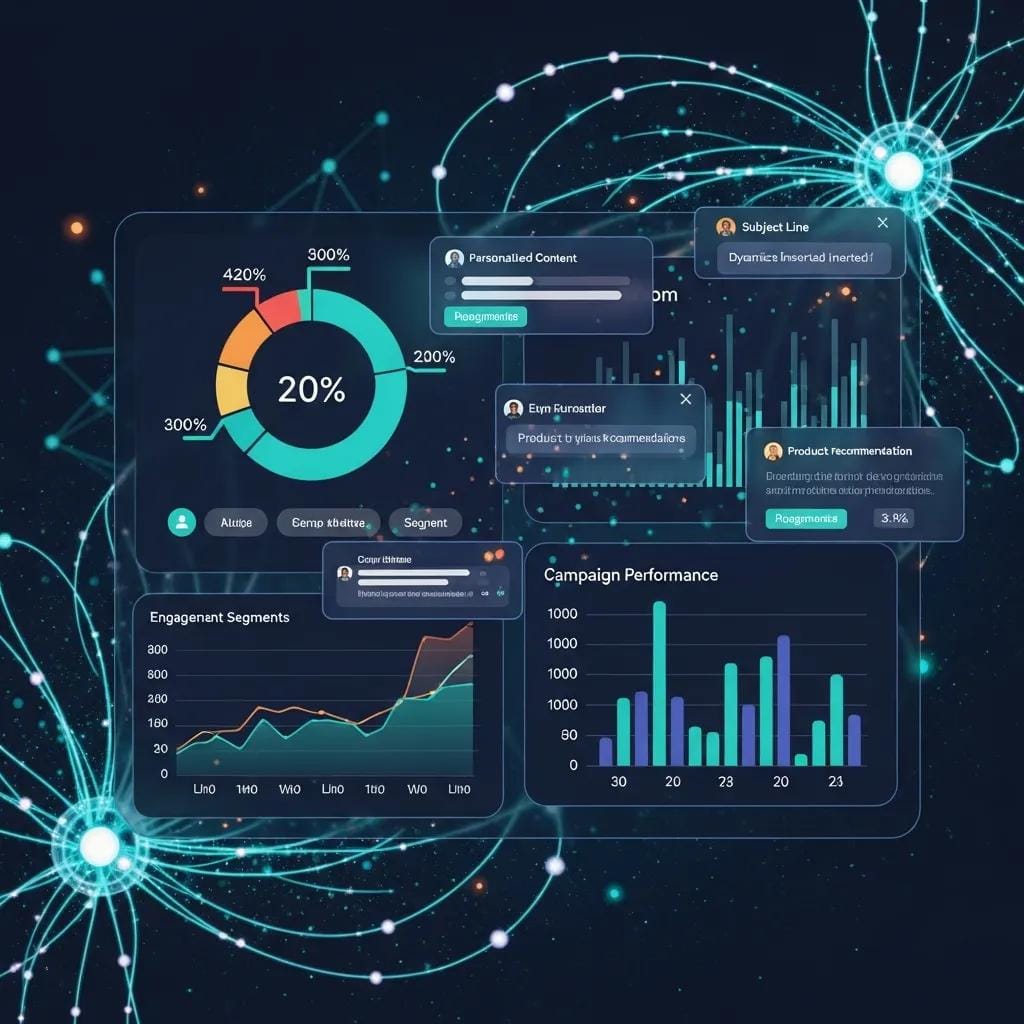
AI-powered segmentation groups subscribers by behavior and predicted value so your sends feel relevant to each recipient. By analyzing opens, clicks, purchases, site behavior, and timing, machine learning builds dynamic segments that update in real time—improving relevance and lifting CTRs and conversions. Harmony Technologies applies these models as part of a pragmatic marketing program that drives measurable lead growth and stronger customer engagement. The outcome is more personalized messaging, smarter send-time choices, and predictive targeting that highlights your highest-likelihood converters. Below is a compact comparison of common segmentation approaches, how AI augments them, and the outcomes to expect so you can choose the right mix for your program.
Segmentation types compared:
What are the core types of email list segmentation?
Demographic, behavioral, and lifecycle segmentation are the foundation of targeted campaigns, and each serves a different conversion goal. Demographic segmentation uses fixed attributes—age, region, customer type—to localize offers and creative, which helps for regional promotions or in-store events. Behavioral segmentation relies on opens, clicks, purchases, and browsing to create high-intent groups for cart recovery and cross-sell campaigns. Lifecycle segmentation sequences onboarding, retention, and win-back messages so content matches where a person is in the buying journey, speeding conversion. Knowing these three types helps you prioritize which segments to build first and how to map offers to subscriber intent.
How does AI enable hyper-personalization in emails?
AI-driven personalization moves beyond name tokens to deliver content, timing, and offers tailored to predicted intent—improving relevance and conversion. Models pull multi-channel signals—past purchases, browsing paths, engagement cadence—to recommend products and populate dynamic content blocks that reflect real preferences. Send-time optimization identifies when each recipient is most likely to open and engages them then, which increases opens and CTRs. Together, these techniques create dynamic subject lines, personalized CTAs, and product recommendations that feel bespoke and drive measurable revenue lift. Implementing these models requires clean data and iterative testing to confirm lift across segments.
What are the essential elements of effective email campaign design?
Good email design grabs attention, communicates value fast, and makes the next step obvious on any device. Mobile-first responsive layouts, clear visual hierarchy, consistent branding, and accessible interactions reduce friction and increase conversions. Start with a single-column layout, a prominent headline, a focused hero image, and one primary CTA above the fold to maximize scanability and clicks. The table below compares core design elements, recommended practices, and expected engagement impact so you can prioritize the highest-impact changes.
Key design checklist:
- Place a single, clear primary CTA in the top third of the email.
- Keep preheader text complementary to — not repeating — the subject line.
- Optimize images for file size and include descriptive alt text.
Why is mobile-first email design critical for engagement?
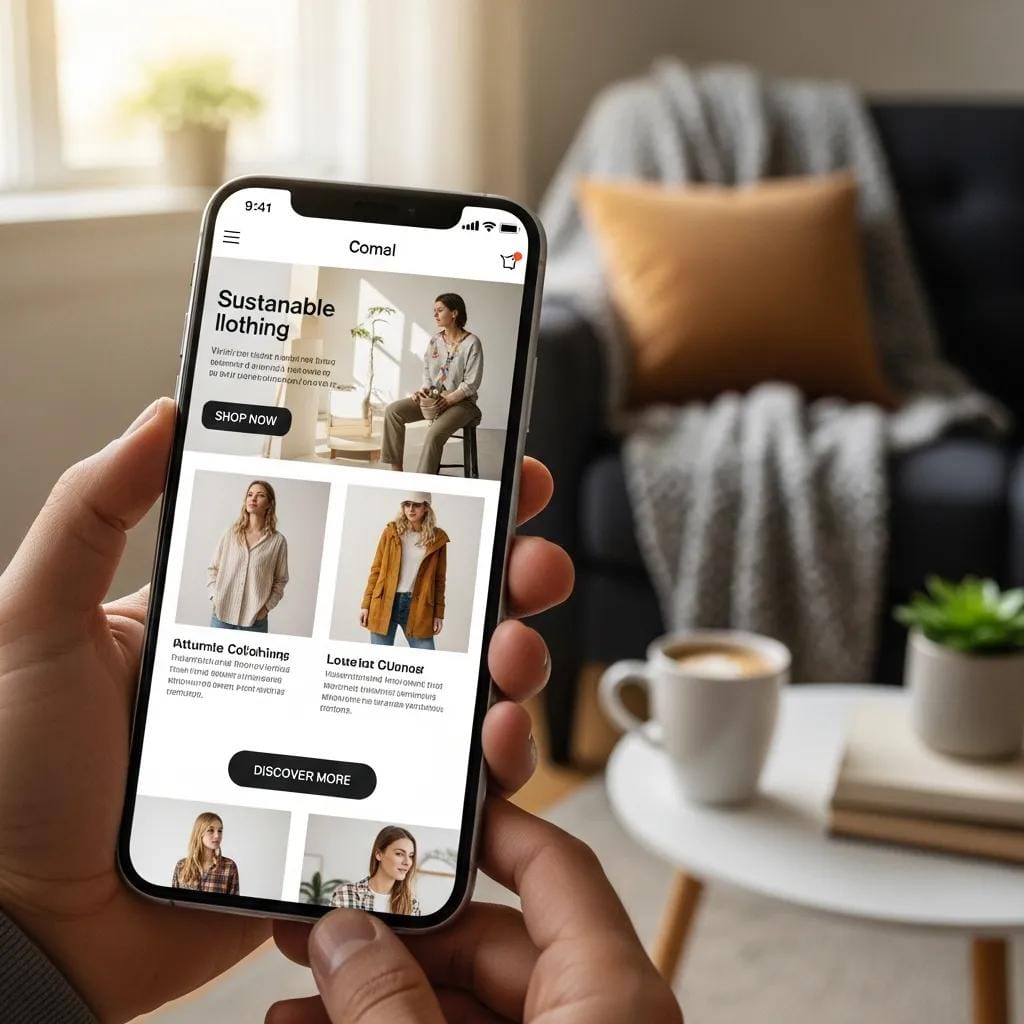
Most email opens happen on mobile, so poor rendering leads to quick deletions and lost conversions. A single-column layout with large, tappable CTAs (44px minimum) and concise headlines improves scanability on small screens and lowers friction for users ready to act. Compressing images, using responsive sizes, and adding alt text speeds load times and prevents broken layouts that erode trust. Designing mobile-first forces clarity: one message, one CTA, one clear value proposition—an approach that reliably increases conversion. Mobile optimization also supports consistent cross-device journeys.
How do visual hierarchy and branding affect email performance?
Visual hierarchy guides the reader from headline to CTA and reduces cognitive load, which directly influences clicks and conversions. Use typographic contrast, white space, and directional cues to lead the eye toward the action you want recipients to take. Consistent branding—logo placement, color system, and tone—builds recognition and trust across sends, increasing engagement. Proper color contrast and accessible font sizes ensure CTAs stand out for users with different needs. When hierarchy and branding align, recipients process messages faster and convert more often.
How do you craft personalized email content that converts?
Personalized content converts when message, offer, and urgency match recipient intent—making the CTA feel relevant and timely. Effective personalization pairs a compelling subject line and preheader with dynamic body content that reflects recent behavior and CTAs that match next-step intent. Use short, benefit-focused subject lines with a single persuasive hook, and reinforce that hook in the preheader. In the body, use product recommendations, localized offers, and contextual proof to reduce hesitation and make the CTA unambiguous. Below are subject-line formulas and examples that consistently increase opens and guide clicks.
Subject-line and preheader formulas:
- “Benefit + Urgency” — clear value and a time window to act.
- “Personalized recommendation” — reference a product or category tied to recent activity.
- “Curiosity + relevance” — tease a specific advantage to encourage opens.
What makes a compelling subject line and preheader?
A strong subject line is concise, benefit-driven, and mobile-friendly—ideally under ~40 characters for on-the-go readers—while the preheader adds context and increases open intent. Use personalization tokens sparingly and where they add clear relevance, such as a recent category viewed or a local event. Choose urgency for time-sensitive offers and curiosity for discovery-driven messages, depending on segment intent and past responses. Always A/B test subject variants with adequate samples; small headline tweaks often produce outsized changes in opens and downstream conversions. The preheader should complement, not repeat, the subject.
How can AI-driven personalization improve copy and CTAs?
AI can create and select the copy variants and CTAs that are most likely to convert for each segment by predicting which phrasing resonates with different profiles. For example, a recommendation engine can swap a generic CTA like “Shop Now” for a personalized variant such as “Finish Your Look, [Category]”—aligning the action to the user’s intent and improving CTR. AI also enables multivariate testing at scale and automates winner selection, so campaigns continuously improve. Roll out AI-driven copy incrementally and validate uplift against control groups to ensure reliable gains.
What are the best practices for optimizing and automating email campaigns?
Optimization and automation turn manual sends into scalable conversion engines that personalize at scale and shorten time to value. Prioritize A/B tests for high-impact elements—subject lines, CTAs, send time—and build automated flows like welcome sequences, cart recovery, and re-engagement to maintain cadence without constant manual work. Deliverability fundamentals—list hygiene, proper authentication, and complaint monitoring—keep messages reaching inboxes and protect sender reputation. Below is a concise testing and automation workflow and a prioritized checklist to operationalize continuous improvement.
Automation workflow and priorities:
- Define a hypothesis and the primary metric for each test or flow.
- Set sample sizes and statistical significance thresholds for A/B tests.
- Deploy automation flows with clear conversion goals and measurement hooks.
How does A/B testing improve email performance?
A/B testing identifies causal improvements by changing one variable at a time—subject line, CTA color, or send time—and measuring the effect on a primary metric like open or conversion rate. Begin with high-impact tests (subject, preheader, primary CTA) and ensure samples are large enough to reach confidence before declaring a winner. Follow a testing roadmap: hypothesis → sample → run → analyze → implement, prioritizing experiments that affect the biggest audience segments or revenue drivers. Iterative testing reduces uncertainty, surfaces surprising insights, and compounds gains as winners roll into automated journeys. Keep a testing log to avoid repeat experiments and to capture learnings.
What benefits does automation bring to lead nurturing?
Automation raises conversions and efficiency by delivering the right message at the right lifecycle stage without manual intervention. Welcome series onboard new subscribers, nurture sequences warm prospects with increasingly targeted offers, and cart-abandonment flows recover lost revenue with timely reminders. For local businesses, appointment reminders and event-triggered messages reduce no-shows and increase attendance. Tracking engagement and conversion metrics inside each automated flow reveals drop-off points and informs copy and offer refinements. Well-structured automation sustains relevance at scale and frees your team to focus on strategy and creative work.
How do you measure email campaign success and maximize ROI?
Start with clear KPIs and attribution rules that link email activity to revenue and lifetime value. Core metrics—open rate, click-through rate, conversion rate, revenue per email, and ROI—give a full view of funnel performance and pinpoint where optimization delivers the biggest returns. AI analytics can highlight high-value segments, surface anomalies, and recommend content or timing changes to boost ROI. Harmony Technologies pairs these analytics with practical measurement plans so you can act on insights and prove impact. The table below lists essential KPIs, definitions, and 2025-oriented benchmarks to guide targets and reporting.
¹ Benchmarks differ by source; 2025-specific public benchmarks are not finalized, though trends suggest modest changes or stable averages.
Which key metrics should you track for high-converting emails?
Track metrics that map to each funnel stage: delivery and engagement (deliverability, open rate), interest (CTR), intent (click-to-conversion), and revenue (revenue per email, ROI). Benchmark against recent norms but slice by cohort—averages can hide top-performing microsegments. Use event tracking and UTM parameters for reliable attribution across paid and social channels to measure cross-channel lift. Monitor deliverability signals—bounce rates, spam complaints, engagement decay—to protect sender reputation and long-term ROI. Clear metrics plus attribution guardrails let you focus on the highest-return experiments.
How does AI analytics deliver actionable campaign insights?
AI analytics provides predictive scores, send-time optimization, and content performance forecasts to reduce guesswork and accelerate improvements. Predictive scoring ranks subscribers by conversion likelihood so you can prioritize high-value touches and tailor offers. Anomaly detection flags sudden drops in deliverability or engagement for quick remediation, protecting revenue. Automated recommendations suggest subject-line variants, ideal send windows, and creative that performs for similar segments—shortening iteration cycles. Combined with disciplined A/B testing, these capabilities speed up improvement and increase conversion efficiency.
How can you build and maintain a high-quality email list for better conversions?
A quality list starts with deliberate opt-ins and continues with disciplined hygiene and re-engagement to preserve deliverability and conversion potential. Use local opt-in tactics—event signups, in-store QR codes, and geo-targeted lead magnets—to attract relevant subscribers who are more likely to convert. Implement suppression lists, bounce handling, and periodic re-permission campaigns to remove inactive addresses and protect sender reputation. The list below outlines practical opt-in and hygiene actions you can implement this quarter.
Effective list-building actions:
- Use location-based incentives and event-driven signups to capture engaged, local subscribers.
- Require double opt-in or clear consent language to ensure list quality and compliance.
- Maintain regular hygiene: suppress hard bounces, remove long-term inactive users, and run re-engagement sequences.
What opt-in strategies work best for local businesses?
Local businesses improve list quality by combining online capture with offline methods tailored to the community. In-store QR codes that link to short sign-up forms, SMS-to-join prompts at checkout, and event contests with geo-targeted rewards attract subscribers with immediate local relevance. Offer-driven opt-ins—discounts for first visits or access to neighborhood guides—convert signups into purchases faster. Always include clear consent language and consider double opt-in to confirm interest and reduce future bounces and complaints. These steps build a list that converts for regionally targeted promotions and community marketing.
How do re-engagement campaigns and list hygiene affect deliverability?
Re-engagement sequences try to win back dormant subscribers with tailored offers and clear choices to stay or opt out—helping preserve sender reputation. A typical re-engagement series includes a reminder, a special incentive, and a final confirmation before suppression. Inactive addresses and repeated bounces hurt deliverability by signaling low engagement to mailbox providers, so timely suppression thresholds (for example, after consecutive bounces or prolonged inactivity) protect inbox placement. Decide between suppression and deletion based on past value and re-permission results; removing longtime inactive recipients usually improves open and click rates for the remaining list and safeguards deliverability.
Harmony Technologies offers tailored AI-powered email marketing that combines segmentation, design, automation, and measurement to maximize conversions and generate qualified leads. If you want a customized plan that integrates these capabilities, contact HarmonyTech to schedule a consultation and implementation roadmap.
Frequently Asked Questions
What role does A/B testing play in email marketing success?
A/B testing is essential: it lets you compare two versions of an email to see which performs better. By isolating one variable—subject line, CTA phrasing, image—you learn what actually moves your audience. This data-driven approach improves opens and conversions over time. Regular testing refines strategy and ensures campaigns evolve based on real behavior rather than assumptions.
How can I ensure my email campaigns comply with regulations?
Regulatory compliance—GDPR, CAN-SPAM, and similar laws—is key to trust and to avoiding fines. Always get explicit consent before emailing, include a clear unsubscribe in every message, and honor opt-outs quickly. Keep records of consent and be transparent about how you use subscriber data. Review practices periodically to stay aligned with changing rules and industry best practices.
What are some common mistakes to avoid in email marketing?
Common mistakes include ignoring mobile optimization, failing to segment, and sending emails without a clear purpose. Misleading subject lines erode trust and increase unsubscribes. Overloading an email with too much information or multiple CTAs confuses readers. Focus on clear, targeted messaging and mobile-friendly design to improve results.
How often should I send email campaigns to my subscribers?
Frequency depends on your audience and content. Weekly or bi-weekly sends are a reasonable starting point to stay top-of-mind without overwhelming subscribers. Monitor opens, CTRs, and unsubscribe rates and adjust cadence accordingly. The right rhythm balances relevance with respect for inbox fatigue.
What types of content should I include in my email campaigns?
Mix promotional offers, educational content, and personalized recommendations. Include product updates, special offers, and exclusive resources that provide real value. Storytelling, customer testimonials, and user-generated content increase engagement. Always tailor content to the interests and behaviors of your segments to keep messages relevant.
How can I improve my email deliverability rates?
Improve deliverability by keeping a clean list, using double opt-in, and removing inactive subscribers regularly. Authenticate your emails with SPF, DKIM, and DMARC to build trust with mailbox providers. Monitor engagement metrics—high bounce and low open rates harm reputation. Segment and target messages to increase engagement and further boost deliverability.
What tools can help automate my email marketing efforts?
Options include platforms like Mailchimp, HubSpot, and ActiveCampaign, which support automated workflows, A/B testing, and analytics. These tools enable segmentation and personalization—essential for effective campaigns. Choose a platform that matches your needs, budget, and integration requirements to ensure a smooth setup.
Conclusion
High-converting email campaigns combine AI-powered segmentation, clear personalization, and optimized design to produce measurable lifts in engagement and revenue. When you pair those tactics with disciplined testing, automation, and list hygiene, email becomes a scalable conversion channel. For a tailored plan that aligns these elements with your business goals, contact Harmony Technologies and we’ll map a practical roadmap to faster, more predictable email-driven growth.