Performance Marketing: The Ultimate Guide to Driving Measurable Results and Maximizing ROI

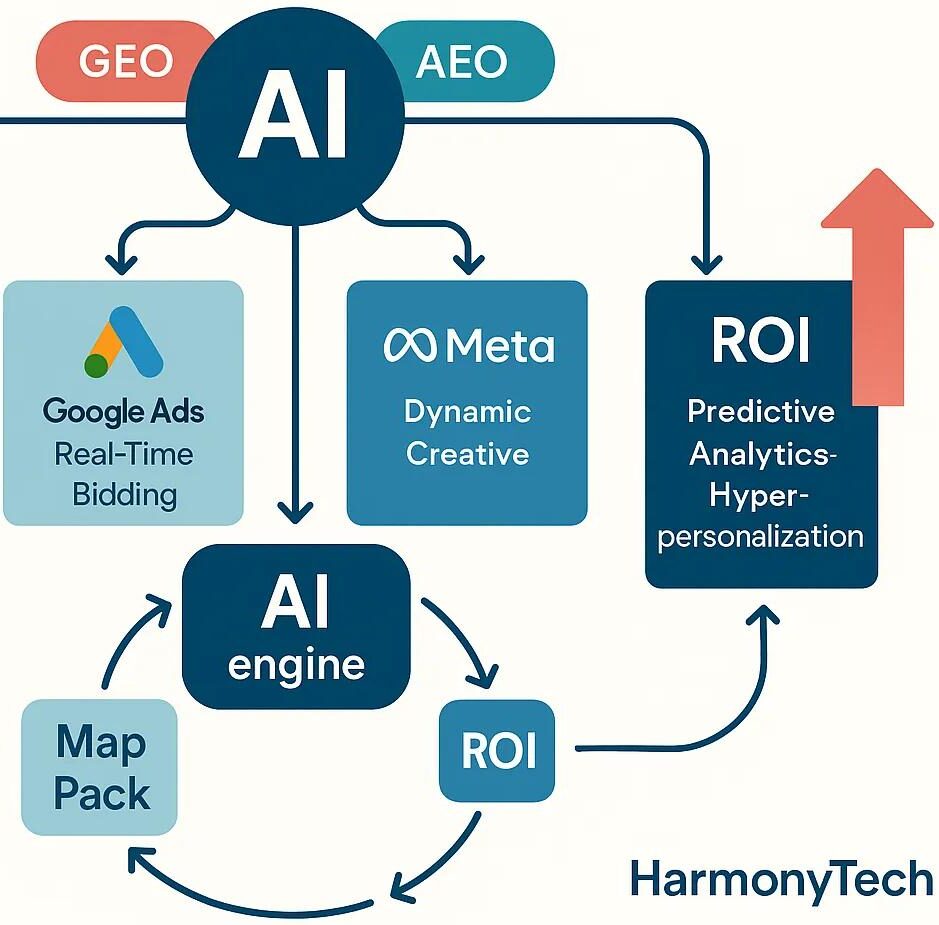
Performance marketing is a dynamic approach that focuses on measurable outcomes, allowing businesses to optimize their marketing strategies effectively. In this comprehensive guide, we will explore the definition, principles, and evolution of performance marketing, along with its key characteristics and benefits. As companies strive to maximize their return on investment (ROI), understanding performance marketing becomes essential. This article will delve into various performance marketing channels, effective strategies, and how to measure success through key performance indicators (KPIs). By the end, you will have a clear understanding of why performance marketing is a vital component of modern marketing strategies.
What is Performance Marketing? Definition, Principles, and Evolution
Performance marketing refers to a digital marketing strategy where advertisers pay only for measurable results, such as clicks, leads, or sales. This model contrasts with traditional marketing, where costs are incurred regardless of the outcome. The evolution of performance marketing has been driven by advancements in technology and data analytics, enabling marketers to track and optimize campaigns in near real-time.
The increasing availability of granular data and sophisticated analytics tools has fundamentally reshaped marketing, pushing it towards models where every investment is scrutinized for its direct impact on business objectives. This data-centric approach is the cornerstone of modern performance marketing.
—The Data-Driven Marketer: Strategies for Success, 2023
The shift towards performance-based models in marketing reflects a broader industry demand for accountability and demonstrable return on investment. This paradigm ensures that marketing expenditures are directly tied to tangible business outcomes, fostering a more efficient and data-driven approach to customer acquisition and engagement.
—Digital Marketing Strategies: Driving Measurable Results, 2022
How does performance marketing differ from traditional digital marketing?
Performance marketing differs significantly from traditional digital marketing in its payment structure and focus on measurable results. In traditional marketing, advertisers pay upfront for ad placements without guaranteed outcomes. In contrast, performance marketing allows advertisers to pay based on specific actions taken by users, such as clicks or conversions. This shift towards accountability has made performance marketing increasingly popular among businesses seeking to maximize their advertising budgets.
What are the key characteristics and benefits of performance marketing?
The key characteristics of performance marketing include its data-driven approach, transparency, and flexibility. Advertisers can track campaign performance in near real-time, allowing for immediate adjustments to optimize results. The benefits of performance marketing are substantial, including cost-effectiveness, scalability, and targeted audience reach. By focusing on measurable outcomes, businesses can allocate their marketing budgets more efficiently, ensuring that every dollar spent contributes to their overall goals.
Further research emphasizes the importance of leveraging various data sources to refine marketing strategies and maximize financial returns.
Optimizing Marketing Strategies for ROI
multiple sources in order to optimize marketing strategies and maximize ROI. They assist businesses in gaining actionable insights into campaign performance, pinpointing areas for
Measuring Marketing Effectiveness and Return on Investment, 2024
Which Performance Marketing Channels Drive Results? A Deep Dive into Top Platforms

Several performance marketing channels are instrumental in driving results for businesses. Each channel offers unique advantages and can be tailored to meet specific marketing objectives.
How do paid search and social media advertising contribute to performance marketing?
Paid search and social media advertising are two of the most effective channels in performance marketing. Paid search allows businesses to target users actively searching for specific products or services, ensuring high intent and relevance. Social media advertising, on the other hand, enables brands to reach a broader audience based on demographics, interests, and behaviors. Both channels provide valuable data that can be analyzed to refine targeting and improve campaign performance.
What roles do affiliate marketing, native advertising, and CTV advertising play?
Affiliate marketing, native advertising, and connected TV (CTV) advertising each play a crucial role in the performance marketing landscape. Affiliate marketing leverages partnerships with influencers or publishers to promote products, rewarding them for driving sales or leads. Native advertising seamlessly integrates promotional content within the user experience, enhancing engagement without disrupting the flow. CTV advertising allows brands to reach audiences through streaming platforms, offering precise targeting and retargeting capabilities.
What Are Effective Performance Marketing Strategies to Maximize ROI?

To maximize ROI in performance marketing, businesses must implement effective strategies that leverage data and technology.
How can PPC, CPA bidding, and retargeting improve campaign performance?
Pay-per-click (PPC) advertising, cost-per-action (CPA) bidding, and retargeting are powerful strategies that can significantly enhance campaign performance. PPC allows advertisers to bid on keywords, ensuring visibility in search results. CPA bidding focuses on paying for specific actions, aligning costs with actual results. Retargeting enables brands to re-engage users who have previously interacted with their website, increasing the likelihood of conversion.
What role does conversion rate optimization and SEO play in long-term growth?
Conversion rate optimization (CRO) focuses on improving the user experience to increase the percentage of visitors who complete desired actions, such as making a purchase. SEO enhances organic visibility in search engines, driving traffic to websites without direct advertising costs. Together, these strategies contribute to sustainable long-term growth by maximizing the effectiveness of marketing efforts.
Specifically, studies on e-commerce highlight how strategic design and A/B testing can significantly enhance conversion rates and user experience.
Conversion Rate Optimization (CRO) for E-commerce
This research focuses on a serious issue with regards to low conversion rates (CR) in e-commerce websites. It investigates the phenomena in a series of phases using an e-commerce website as the case study. The A/B testing framework was used to investigate the possible factors responsible for low conversion rate and a number of solutions were provided, focusing on how the use of interactive design, human-computer interaction principles, and industry design standards could be adopted as a tool to enhance the conversion rate of an e-commerce website. These design factors were used in the creation of a web application which was tested in a comparative assessment with a case study website to prove that the new design enhancements resulted in an improvement in the performance of the new website. This resulted in the new website reporting an increase website usability and enhanced user experience, which ultimately lead to an increase in conversion rates.
Developing a new model for conversion rate optimization: A case study, 2013
How Do You Measure Success in Performance Marketing? Key Performance Indicators and Metrics Explained
Measuring success in performance marketing requires a clear understanding of key performance indicators (KPIs) and metrics.
What are the definitions and benchmarks for CPC, CPA, CPL, ROAS, and ROI?
Cost-per-click (CPC), cost-per-action (CPA), cost-per-lead (CPL), return on ad spend (ROAS), and return on investment (ROI) are essential metrics for evaluating performance marketing campaigns. CPC measures the cost incurred for each click on an ad, while CPA focuses on the cost associated with a specific action, such as a sale. CPL tracks the cost of acquiring leads, ROAS evaluates the revenue generated for every dollar spent on advertising, and ROI assesses the overall profitability of marketing efforts.
How do attribution models help understand the customer journey and campaign impact?
Attribution models play a vital role in understanding the customer journey and the impact of marketing campaigns. These models assign credit to various touchpoints along the customer journey, helping marketers identify which channels and strategies are most effective. By analyzing attribution data, businesses can optimize their marketing mix and allocate resources to the most impactful channels, ultimately improving campaign performance.
A detailed case study further illustrates the complexities and solutions involved in strengthening marketing attribution across diverse multichannel campaigns.
Marketing Attribution & KPI Review for Multichannel Campaigns
This case study examines how BlueSnap powered by Payroc can strengthen marketing attribution across a complex B2B funnel using its existing information systems. BlueSnap runs multichannel campaigns across paid search, paid social, display/CTV, email, SEO/PR, content syndication, and partner programs, but fragmented tracking across HubSpot, Salesforce, and media platforms prevents a unified, causal view of performance. The analysis combines a process and data-flow map of the TOFU-MOFU-BOFU customer journey, KPI and dashboard review, and a SWOT lens to diagnose issues in data integration, attribution modeling, and KPI interpretation.
Strengthening Marketing Attribution Across the Funnel at BlueSnap powered by Payroc, 2025
Why Choose Performance Marketing? Benefits and Business Impact
Choosing performance marketing offers numerous benefits that can significantly impact a business’s bottom line.
What cost efficiencies and scalability advantages does performance marketing offer?
Performance marketing provides cost efficiencies by ensuring that businesses only pay for measurable results. This model allows for better budget allocation and reduces wasted spending on ineffective campaigns. Additionally, performance marketing is highly scalable, enabling businesses to adjust their marketing efforts based on near real-time data and performance metrics. This flexibility allows companies to respond quickly to market changes and optimize their strategies for maximum impact.
How does precise audience targeting and risk mitigation enhance marketing outcomes?
Precise audience targeting is a hallmark of performance marketing, allowing businesses to reach specific demographics and user segments. This targeted approach minimizes risk by ensuring that marketing efforts are directed toward individuals most likely to convert. By leveraging data analytics and audience insights, businesses can refine their messaging and improve engagement, leading to better marketing outcomes and higher ROI.
What is CTV Performance Marketing? Strategies and Metrics for Connected TV Advertising
Connected TV (CTV) performance marketing is an emerging channel that offers unique opportunities for advertisers.
How does CTV advertising enable precise targeting and full-funnel retargeting?
CTV advertising allows brands to deliver targeted ads to viewers on streaming platforms, utilizing data to reach specific audience segments. This precision targeting enhances the effectiveness of campaigns by ensuring that ads are shown to users who are most likely to engage. Additionally, CTV enables retargeting, allowing brands to reconnect with users who have previously interacted with their content, thereby increasing the chances of conversion.
What metrics and attribution methods measure CTV campaign effectiveness?
Measuring the effectiveness of CTV campaigns involves various metrics and attribution methods. Key metrics include completion rates, engagement levels, and conversion rates. Attribution models help marketers understand the impact of CTV advertising on the overall customer journey, providing insights into how CTV ads contribute to conversions across different channels. By analyzing these metrics, businesses can optimize their CTV strategies for better performance.
Frequently Asked Questions
What are the common challenges businesses face when implementing performance marketing?
Businesses often encounter several challenges when implementing performance marketing. One major issue is the complexity of tracking and analyzing data across multiple channels, which can lead to fragmented insights. Additionally, ensuring accurate attribution can be difficult, as customers interact with various touchpoints before converting. Budget constraints may also limit the ability to test and optimize campaigns effectively. Lastly, staying updated with rapidly changing technologies and consumer behaviors can pose a significant challenge for marketers aiming to maximize their performance marketing efforts.
How can small businesses benefit from performance marketing?
Small businesses can greatly benefit from performance marketing due to its cost-effective nature. Since advertisers only pay for measurable results, small businesses can allocate their limited budgets more efficiently. Performance marketing allows for precise targeting, enabling small businesses to reach specific audiences without overspending. Additionally, the data-driven approach helps them analyze campaign performance in real-time, allowing for quick adjustments to optimize results. This flexibility and accountability make performance marketing an ideal strategy for small businesses looking to grow their customer base and increase ROI.
What tools and technologies are essential for effective performance marketing?
Effective performance marketing relies on various tools and technologies that facilitate data analysis, campaign management, and optimization. Key tools include analytics platforms like Google Analytics for tracking user behavior, customer relationship management (CRM) systems for managing leads, and marketing automation software for streamlining campaigns. Additionally, ad management platforms such as Google Ads and social media advertising tools are crucial for executing targeted campaigns. Utilizing these technologies enables marketers to gather insights, measure performance, and make data-driven decisions to enhance their marketing strategies.
How does performance marketing adapt to changing consumer behaviors?
Performance marketing is inherently adaptable, allowing businesses to respond quickly to changing consumer behaviors. By leveraging real-time data analytics, marketers can monitor shifts in audience preferences and engagement patterns. This agility enables them to adjust targeting strategies, messaging, and campaign tactics accordingly. Additionally, performance marketing channels like social media and search engines provide immediate feedback, allowing businesses to test different approaches and optimize campaigns based on consumer responses. This responsiveness is crucial for maintaining relevance and maximizing ROI in a dynamic market environment.
What role does content play in performance marketing strategies?
Content plays a pivotal role in performance marketing strategies by driving engagement and conversions. High-quality, relevant content attracts and retains audience attention, making it essential for effective campaigns. Content can take various forms, including blog posts, videos, and social media updates, each tailored to specific audience segments. Additionally, well-optimized content enhances SEO efforts, increasing organic visibility and traffic. By aligning content with user intent and incorporating strong calls-to-action, businesses can guide potential customers through the sales funnel, ultimately improving conversion rates and overall campaign performance.
How can businesses ensure compliance with regulations in performance marketing?
To ensure compliance with regulations in performance marketing, businesses must stay informed about relevant laws and guidelines, such as GDPR and CCPA. Implementing transparent data collection practices is crucial, including obtaining user consent for tracking and data usage. Regular audits of marketing practices can help identify potential compliance issues. Additionally, businesses should provide clear privacy policies and allow users to opt-out of data collection. By prioritizing ethical marketing practices and maintaining transparency, companies can build trust with their audience while adhering to legal requirements.
Conclusion
Embracing performance marketing empowers businesses to achieve measurable results while optimizing their marketing budgets effectively. By leveraging data-driven strategies and precise audience targeting, companies can enhance their ROI and drive sustainable growth. Understanding the intricacies of various performance marketing channels is essential for maximizing impact. Harmony Technologies offers a robust performance-based marketing option, providing businesses with tailored solutions to meet their specific goals. Start exploring our resources today to elevate your marketing strategy and achieve your business goals.