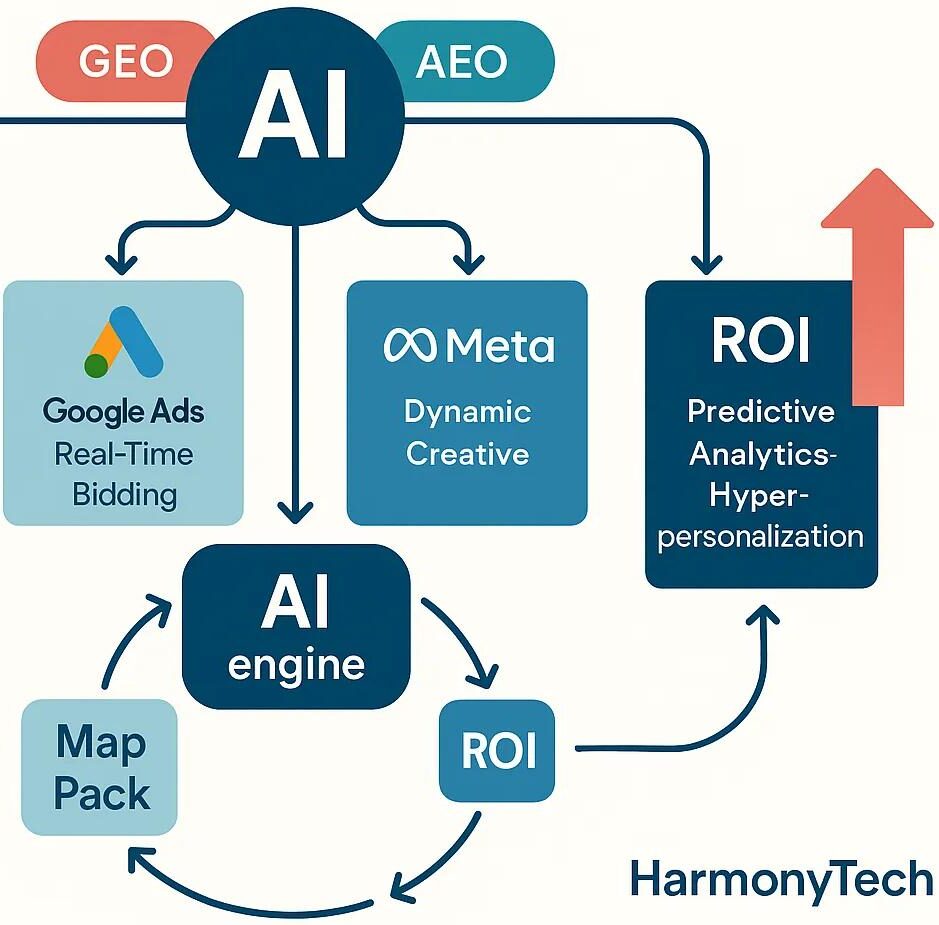
AI-Powered Audience Segmentation in Marketing: Advanced Strategies and Benefits for SMBs
Advanced AI-powered audience segmentation in marketing for SMBs involves leveraging precise business data to create targeted audience segments, personalize messaging, and optimize advertising spend. The benefits include improved ad
relevance, reduced wasted spend, and enhanced lead quality. Accurate data is crucial, especially in dynamic markets like South Florida, where factors like geo-intent and seasonal demand play significant roles.By ensuring clean and reliable data, businesses can effectively reach the right neighborhoods and demographics, ultimately leading to better customer engagement and conversion rates.
What is AI-Powered Audience Segmentation and How Does It Enhance Marketing?
AI-Powered Audience Segmentation involves using structured business data to create precise audience segments, personalize marketing messages, and optimize spending. This approach enhances marketing by ensuring that ads are delivered
to the most relevant audiences, thereby reducing wasted expenditure and improving lead quality.In dynamic markets, accurate data on location, services, and categories is crucial for effectively targeting specific neighborhoods and
demographics. This leads to better engagement metrics, such as higher click-through rates (CTRs) and increased customer interactions, ultimately improving conversion rates and satisfying searcher intent.This comprehensive approach to audience segmentation is further supported by studies emphasizing its role in enhancing personalization and conversion rates.
AI-Driven Market Segmentation for E-Commerce Personalization & ConversionIn the era of AI-driven e-commerce and advertising platforms, market segmentation and personalized recommendation have become essential for improving user conversion rates and marketing effectiveness. By leveraging artificial intelligence
to conduct deep analysis of large-scale behavioral data from e-commerce platforms, it is possible to perform precise customer segmentation, identify diverse consumer groups, and develop customized marketing strategies. AI-Driven Market Segmentation and Multi-Behavioral Sequential Recommendation for Personalized E-Commerce Marketing, X Han, 2025
Defining AI Customer Segmentation Strategies and Their Role in Marketing
AI customer segmentation strategies involve the meticulous ingestion of structured business data to create precise audience segments, personalize messaging, and optimize spending. Accurate data is crucial; flawed data can lead to misclassification
of intent, resulting in ads being shown to less relevant audiences, which increases wasted spending and reduces lead quality. In dynamic markets like South Florida, where factors such as geo-intent and diverse queries are prevalent,
having precise location metadata and consistent service descriptors is essential for effectively targeting the right neighborhoods and demographic segments.Indeed, the foundation of effective AI segmentation lies in the quality of the data it processes, as highlighted by recent research.
AI for Data Quality Management in Marketing & InsightsThe exponential growth of data across industries has highlighted the critical importance of data quality management for ensuring reliable insights and decision-making. Artificial intelligence has emerged as a transformative force
in this domain, offering sophisticated approaches to detect errors, inconsistencies, and anomalies in complex datasets. This article explores the fundamental principles of data quality control, examines AI-powered methodologies including
machine learning algorithms, deep learning architectures, and natural language processing techniques, and investigates their domain-specific applications across healthcare, finance, marketing, manufacturing, and government sectors.Leveraging AI for Better Data Quality and Insights, 2025
How Machine Learning Improves Behavioral Segmentation with AI
Machine learning improves behavioral segmentation with AI by meticulously ingesting structured business data to create precise audience segments, personalize messaging, and optimize spending. Accurate data allows AI models to correctly
classify intent, ensuring ads reach relevant audiences, which enhances engagement metrics such as click-through rates (CTRs), calls, and direction requests. This leads to better targeting of neighborhoods and demographic segments,
ultimately improving lead quality and reducing wasted spend.
How Does Predictive Audience Targeting with AI Drive Marketing Success?
Predictive audience targeting with AI drives marketing success by enabling superior audience segmentation and precise targeting. Accurate business data allows AI models to analyze customer behavior and preferences effectively, resulting
in more relevant ad placements and impactful messaging. This leads to improved conversion rates and reduced wasted ad spend. In competitive markets, maintaining impeccable data is crucial for maximizing the effectiveness and ROI
of AI-driven marketing strategies.Further elaborating on the mechanisms behind this success, research underscores the critical role of advanced AI algorithms in refining personalized marketing and audience segmentation.
AI Algorithms for Personalized Marketing & Audience SegmentationThis article analyzes the use of artificial intelligence (AI) in personalized marketing strategies, focusing on the effectiveness of algorithms for target audience segmentation. The role of machine learning (ML) and neural network
approaches in improving segmentation accuracy, predicting customer behavior, and personalizing advertising offers is emphasized. Clustering methods, supervised models, and neural network algorithms are discussed, which allow for
real-time adaptation of marketing campaigns, increasing engagement and conversions.… INTELLIGENCE IN PERSONALIZED MARKETING STRATEGIES: ANALYZING THE EFFECTIVENESS OF ALGORITHMS FOR TARGET AUDIENCE SEGMENTATION
Using Predictive Analytics to Identify High-Value Leads
Using predictive analytics to identify high-value leads involves leveraging amplified relevance signals and strengthened behavioral signals. This includes tracking key actions such as calls, website clicks, and direction requests,
as well as monitoring click-through rates (CTRs) from local searches. By analyzing these metrics, businesses can gain insights into how profile adjustments impact both algorithmic standing and customer behavior, ultimately leading
to better targeting of high-value leads. Additionally, accurate business data is crucial for AI-driven marketing systems to effectively segment audiences and personalize messaging, ensuring that ads reach the most relevant audiences.
Forecasting Customer Behavior for Effective Campaigns
The context discusses the importance of precise business data and optimized profiles in influencing customer behavior and improving marketing effectiveness. It highlights the role of relevance and behavioral signals in driving customer
engagement and conversion rates. However, it does not provide specific forecasting methods or techniques for predicting customer behavior. Therefore, I don’t have enough information to answer your question about forecasting customer
behavior for effective campaigns.
What Are the Benefits of Real-Time Marketing Segmentation Using AI?
The benefits of real-time marketing segmentation using AI include:
Precise Audience Segmentation: AI-driven systems can construct accurate audience segments based on structured business data.
Personalized Messaging: Tailored messaging can be created for different segments, enhancing engagement.
Optimized Spend Allocation: Marketing budgets can be allocated more effectively to reach the right audiences.
Improved Ad Relevance: Accurate data helps prevent misclassification of intent, reducing wasted ad spend and improving lead quality.
Enhanced Customer Engagement: Strong behavioral signals, such as higher click-through rates (CTRs) and increased calls, indicate better engagement.
Reduced Decision Friction: Optimized profiles with clear information make it easier for customers to make decisions, leading to faster conversions.
Overall, these benefits contribute to a more effective and efficient marketing strategy.
Enabling Dynamic Audience Targeting for Immediate Impact
Dynamic audience targeting allows businesses to adjust their marketing strategies in real-time based on current data and customer behavior. This approach ensures that marketing efforts are always aligned with the most relevant audience
segments, leading to immediate improvements in engagement and conversion rates. For instance, businesses can quickly shift their focus to high-performing demographics or geographic areas, maximizing the impact of their campaigns.
Improving ROI Through Hyper-Personalization and Data-Driven Decisions
To improve ROI through hyper-personalization and data-driven decisions, businesses should focus on two key channels: amplified relevance signals and strengthened behavioral signals. This involves creating active, comprehensive profiles
that satisfy searcher intent, utilizing compelling photos, strategic posts, and positive reviews to enhance engagement metrics. Tracking key actions such as calls, website clicks, and direction requests, along with monitoring click-through
rates (CTR) and conversion rates, provides insights into how profile adjustments impact customer behavior and algorithmic standing.In a dynamic market like South Florida, accurate business data is crucial for AI-driven marketing systems to effectively target the right audiences. Flawed data can lead to misclassification of intent, resulting in wasted ad spend
and lower lead quality. Therefore, maintaining clean and reliable data is essential for optimizing messaging and spend allocation.
How Can South Florida SMBs Implement AI Audience Segmentation Effectively?
South Florida SMBs can implement AI audience segmentation effectively by ensuring the following:
Accurate Data: Maintain clean, reliable data with correct service descriptors and consistent categories. This is critical for AI models to target the right neighborhoods and demographic segments.
Data Pipelines: Utilize data pipelines from Google Business Profile (GBP) and directory aggregators to feed accurate attributes into audience models. This helps in generating higher-quality leads and reducing wasted
impressions.
Lookalike Modeling and Geofencing: Leverage sophisticated lookalike modeling and precise geofencing strategies to enhance targeting and improve conversion rates.
Behavioral Signals: Incorporate comprehensive listing data, aggregator records, schema markup, and behavioral signals to construct local audience segments and infer intent patterns accurately.
Consistency in Attributes: Ensure that location, category, and service attributes are consistent to enable AI systems to predict neighborhoods with higher conversion potential effectively.
Tailored Strategies: Use the insights gained from accurate data to tailor creative and bidding strategies for campaigns, enhancing their effectiveness.
By focusing on these areas, SMBs can significantly boost their campaign performance and conversion rates in South Florida’s diverse micro-markets.
Step-by-Step Guide to Integrating AI Segmentation Tools
Integrating AI segmentation tools involves several key steps:
Identify Business Needs: Assess specific marketing goals and how AI can address them.
Select Appropriate Tools: Choose AI tools that align with business objectives and data capabilities.
Data Integration: Ensure seamless integration of existing data sources with the chosen AI tools.
Training and Testing: Train the AI models with historical data and test their performance on real-time data.
Monitor and Optimize: Continuously monitor the performance of AI segmentation and optimize based on results.
This structured approach ensures that businesses can effectively leverage AI for audience segmentation.
Overcoming Common Challenges in AI Marketing Adoption
Impeccable data is crucial for AI-driven marketing as it enables superior audience segmentation and precise targeting. Accurate business information allows AI models to analyze customer behavior effectively, leading to relevant ad
placements and impactful messaging. In contrast, inaccurate data can result in misclassified audience segments, wasted ad spend, and lower lead quality. For businesses in competitive markets, maintaining flawless data is essential
for maximizing the effectiveness and ROI of AI marketing strategies.
Which AI Tools and Platforms Are Best for Advanced Audience Segmentation?
The context does not specify particular AI tools and platforms for advanced audience segmentation. It emphasizes the importance of clean, reliable data and the role of Harmony Technologies in delivering AI-driven local targeting solutions.
Therefore, I don’t have enough information to answer your question.
Comparing Top AI Segmentation Solutions for Small Businesses
When evaluating AI segmentation solutions, small businesses should consider the following factors:
Ease of Use: The platform should be user-friendly and require minimal training.
Integration Capabilities: It should seamlessly integrate with existing marketing tools and data sources.
Cost-Effectiveness: Solutions should provide a good return on investment relative to their pricing.
Support and Resources: Access to customer support and educational resources can enhance the user experience.
These criteria help businesses select the most suitable AI segmentation tools for their needs.
Best Practices for Seamless Integration with Existing Marketing Systems
To ensure seamless integration with existing marketing systems, best practices include:
Maintain Impeccable Data: Ensure business information is accurate and uniform to enhance audience segmentation and targeting.
Monitor Key Performance Indicators (KPIs): Track metrics such as conversion rates, click-through rates, and customer reviews to assess the impact of data management efforts.
Implement a Robust Data Management Strategy: This will optimize digital presence and improve local SEO, driving customer engagement and trust.
Analyze Engagement Metrics: Regularly review engagement metrics to identify areas for strategic improvement.
These practices will help maximize the effectiveness and ROI of AI-driven marketing strategies.
How to Measure and Optimize the ROI of AI-Driven Audience Segmentation?
To measure and optimize the ROI of AI-driven audience segmentation, you should:
Track Key Actions: Monitor key Google Business Profile (GBP) actions such as calls, website clicks, and direction requests.
Analyze Click-Through Rates (CTR): Keep an eye on your CTR from local searches to gauge engagement.
Evaluate Conversion Rates: Analyze the conversion rate of referred traffic to understand how well your audience segmentation is performing.
Ensure Data Accuracy: Maintain clean and reliable business data to prevent misclassification of intent by AI models, which can lead to wasted spend and lower lead quality.
Optimize Profile: Regularly update and optimize your business profile with precise categories, detailed service descriptions, and compelling visuals to enhance relevance and trustworthiness.
These metrics and practices will provide insights into how strategic adjustments impact both algorithmic performance and customer behavior.
Key Performance Indicators for AI Marketing Effectiveness
Conversion Rates: Derived from actions on Google Business Profile.
Engagement Metrics: Such as click-through rates and customer reviews.
Analyzing these KPIs provides insights into the impact of data management efforts and identifies areas for improvement.
Attribution Modeling and Analytics for Continuous Improvement
Attribution modeling plays a crucial role in understanding how different marketing channels contribute to conversions. By analyzing customer interactions across various touchpoints, businesses can identify which strategies are most
effective. This continuous improvement process allows for better allocation of marketing resources and enhances overall campaign performance.
Frequently Asked Questions
1. What types of businesses can benefit from AI-powered audience segmentation?
AI-powered audience segmentation can benefit a wide range of businesses, particularly small to medium-sized enterprises (SMBs) across various industries. Retailers, service providers, and e-commerce platforms can leverage this technology
to enhance their marketing strategies. By utilizing precise data analysis, these businesses can identify and target specific customer segments, leading to improved engagement and conversion rates. Additionally, companies in competitive
markets, such as South Florida, can gain a significant advantage by tailoring their marketing efforts to meet the unique needs of their local audiences.
2. How can businesses ensure the quality of their data for AI segmentation?
To ensure the quality of data for AI segmentation, businesses should implement a robust data management strategy. This includes regularly cleaning and updating their data to eliminate inaccuracies and inconsistencies. Utilizing data
validation tools and establishing clear data entry protocols can help maintain data integrity. Additionally, businesses should integrate data from reliable sources, such as Google Business Profile and directory aggregators, to enhance
the accuracy of their audience segments. Consistent monitoring and auditing of data quality are essential for optimizing AI-driven marketing efforts.
3. What role does customer behavior analysis play in AI audience segmentation?
Customer behavior analysis is crucial in AI audience segmentation as it provides insights into how different segments interact with products and services. By analyzing behavioral data, such as purchase history, website interactions,
and engagement metrics, businesses can identify patterns and preferences within their audience. This information allows for more precise targeting and personalized messaging, ultimately enhancing the effectiveness of marketing campaigns.
Understanding customer behavior helps businesses adapt their strategies in real-time, ensuring they remain relevant and engaging to their target audiences.
4. Can AI audience segmentation improve customer retention rates?
Yes, AI audience segmentation can significantly improve customer retention rates. By delivering personalized experiences tailored to individual preferences and behaviors, businesses can foster stronger relationships with their customers.
Targeted marketing efforts, such as customized offers and relevant content, can enhance customer satisfaction and loyalty. Additionally, understanding customer segments allows businesses to proactively address concerns and preferences,
leading to a more positive overall experience. This strategic approach not only retains existing customers but also encourages repeat business and referrals.
5. How does real-time data impact AI audience segmentation?
Real-time data plays a vital role in AI audience segmentation by enabling businesses to make immediate adjustments to their marketing strategies. With access to up-to-date information on customer behavior and market trends, businesses
can quickly identify shifts in preferences and adapt their campaigns accordingly. This agility allows for more effective targeting and messaging, ensuring that marketing efforts resonate with the current audience. Real-time data
enhances the relevance of marketing initiatives, leading to improved engagement and higher conversion rates.
6. What are some common challenges businesses face when implementing AI audience segmentation?
Common challenges in implementing AI audience segmentation include data quality issues, integration difficulties, and a lack of understanding of AI technologies. Businesses may struggle with inaccurate or incomplete data, which can
lead to ineffective segmentation and wasted resources. Additionally, integrating AI tools with existing marketing systems can be complex and time-consuming. To overcome these challenges, businesses should invest in training, establish
clear data management practices, and choose user-friendly AI solutions that align with their specific needs and capabilities.
7. How can businesses measure the success of their AI audience segmentation efforts?
Businesses can measure the success of their AI audience segmentation efforts by tracking key performance indicators (KPIs) such as conversion rates, click-through rates (CTR), and customer engagement metrics. Analyzing these metrics
provides insights into how well the segmentation aligns with customer behavior and preferences. Additionally, businesses should evaluate the return on investment (ROI) of their marketing campaigns to determine the effectiveness of
their strategies. Regularly reviewing and optimizing segmentation based on performance data will help ensure continuous improvement and success in marketing efforts.
Conclusion
Implementing advanced AI-powered audience segmentation can significantly enhance marketing effectiveness for SMBs by ensuring precise targeting and personalized messaging. This approach not only reduces wasted ad spend but also improves
lead quality and customer engagement. By leveraging accurate data and real-time insights, businesses can adapt their strategies to meet evolving market demands. Discover how our tailored solutions can elevate your marketing efforts
today. Click below to contact us.
Learn More! It will only take a minute.
Explore The Abundant Business Opportunities A.I. Digital Marketing Offers For You Today!