
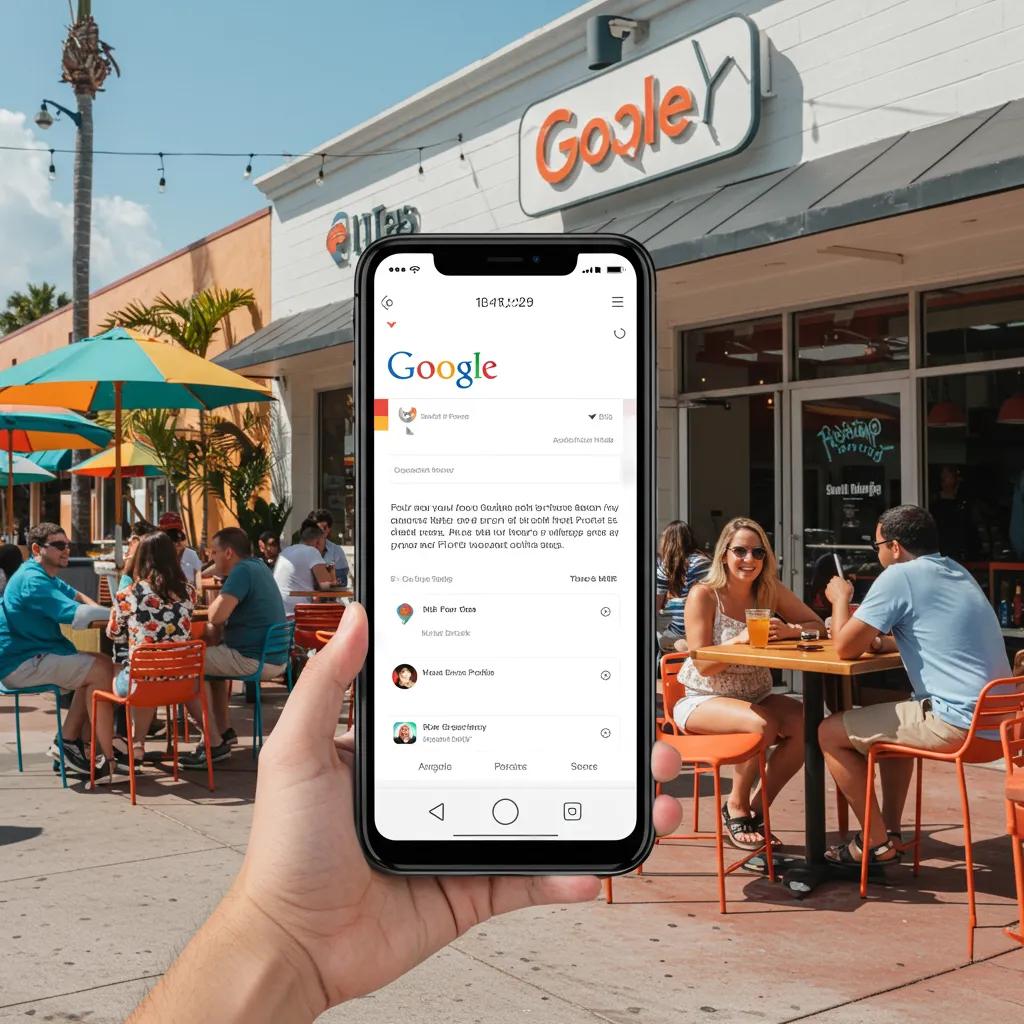
Google Business Profile vs. Traditional SEO: Which Wins?
Google Business Profile vs. Traditional SEO: Which Wins for Local South Florida Businesses?
Google Business Profile (GBP) and traditional SEO play different but complementary roles in local discovery. GBP puts your business directly in Maps and the Local Pack for high-intent, location-based queries, while traditional SEO builds organic authority and site traffic over time. In this guide we compare how each works, what metrics matter, and offer a practical, AI-aware roadmap for South Florida businesses that need both immediate leads and steady regional growth. You’ll get clear explanations of GBP features, the demands of on-site SEO, timelines and KPIs, and a step-by-step plan to unify them with schema, NAP consistency, and AI-enabled reporting. The guide includes comparison tables, tactical checklists for citations and linking, and hands-on steps that map GBP elements—reviews, posts, photos—to real outcomes like calls and bookings. We focus on measurable results and local realities—seasonality, tourism, and heavy mobile use—and close by showing how HarmonyTech helps South Florida companies put an AI-driven, unified strategy into action.
What Is Google Business Profile and How Does It Boost Local Visibility?
Google Business Profile is a free, Google-managed listing that displays your business name, categories, photos, posts, reviews, and local attributes in Search and Maps so nearby customers can find you quickly. Appearing in the Local Pack and Knowledge Panel turns search intent into immediate actions—calls, direction requests, and website clicks—so optimizing GBP delivers measurable local ROI. Google ranks listings by relevance, proximity, and prominence: accurate categories and fresh activity improve relevance, proximity ties to the searcher’s location, and citations plus review volume build prominence. For South Florida businesses facing seasonal demand and large mobile audiences, GBP is often the fastest route to foot traffic and short-term revenue. Below we list the GBP features you should prioritize to capture that demand.
What Are the Key Features of Google Business Profile?
GBP includes categories, attributes, services, photos, posts, Q&A, and reviews—each affects both search relevance and user decisions. Categories set intent and are the most important ranking factor inside GBP, so pick a precise primary category and strong secondary categories for local-pack visibility. Photos and videos drive clicks and map engagement, while well-structured services and attributes help Google match queries to what you offer. Regular posts plus timely responses to reviews and Q&A signal freshness and responsiveness, which raises trust and click-through rates. Make these optimizations part of a checklist-driven cadence so your profile stays current and aligned with peak search seasons.
How Does Google Business Profile Drive Direct Leads and Customer Engagement?
GBP converts local intent into direct leads through click-to-call, request-directions, appointment bookings, and messaging directly from the Knowledge Panel and Maps. People who interact with GBP often have high purchase intent, so a polished profile can lift calls and store visits within weeks. Track UTM-tagged website clicks, phone-call tracking, and direction requests in Google Business Profile Insights and GA4 to trace listing engagement back to revenue. Structure CTAs—book now, request a quote, call—around the user journey to increase conversions and prioritize the GBP signals that matter most for local businesses.
Why Is Google Business Profile Critical for South Florida Local SEO?
South Florida’s mix of tourism, seasonal peaks, and mobile-first search behavior increases GBP’s impact because many customers look for “near me” solutions while on the move. Tourist-facing businesses—restaurants, attractions, hotels—benefit from map prominence, while service providers (plumbers, clinics, salons) convert residents via reputation signals like reviews. In competitive metros such as Miami and Fort Lauderdale, even modest improvements to photos, posts, or review cadence can shift Local Pack rankings. Knowing these local dynamics helps you prioritize GBP actions that earn quick wins while broader SEO work compounds.
What Is Traditional SEO and How Does It Support Organic Search Growth?

Traditional SEO organizes site content, technical structure, and backlink authority to improve organic rankings across competitive queries over months to years, delivering sustainable traffic and brand discovery. It combines on-page optimization, technical health, content strategy, and off-page link-building to create topical authority that search engines reward with higher organic impressions and clicks. While results take longer than GBP, organic traffic diversifies acquisition and supports higher-value conversion funnels across regions—not just immediate local intent. Below we break down core SEO elements into tactical checklists so you can see how each piece fuels long-term regional growth.
What Are the Core Elements of Traditional SEO?
Traditional SEO includes on-page elements (title tags, meta descriptions, header structure, content relevance), technical SEO (crawlability, mobile-first design, page speed, structured data), off-page SEO (backlinks, citations), and content marketing (topical coverage, local landing pages). Each component reinforces the others: technical fixes make content indexable, on-page work aligns content with intent, and backlinks pass topical authority. Start with prioritized audits—crawl errors, Core Web Vitals, schema gaps—map keywords to pages, and publish locally relevant content. Those steps build a foundation for sustained ranking gains and measurable organic conversions.
How Does Traditional SEO Build Long-Term Website Authority?
Authority grows through steady topical coverage, high-quality backlinks, and internal linking that signals depth to search engines, which gradually improves rankings for competitive keywords. Content hubs and pillar pages collect expertise and earn links naturally when they solve regional needs—seasonal guides or multi-city service pages for South Florida, for example. Track authority with organic ranking trends, referring backlinks, and assisted conversions: early content investments compound into steady traffic and a broader discovery funnel that GBP alone won’t provide. Internal linking and topical clusters reinforce relevance and help search engines surface the right pages for varied queries.
How Is AI Used to Improve Traditional SEO Strategies?
AI speeds up keyword research, content ideation, technical triage, and predictive ranking analysis by automating pattern detection and recommendations at scale. AI tools can expose content gaps, suggest semantically related terms, and prioritize technical fixes by impact—cutting manual effort and improving consistency. Topic clustering powered by AI helps build content silos that serve both users and search engines, while continuous monitoring models spot ranking anomalies and propose fixes. These automations let SEO teams scale regional coverage and iterate content faster to match shifting local demand.
SEO and Google Algorithm Updates: A User-Centric Approach
Ongoing algorithm changes have pushed SEO toward a user-first model. Focus on helpful, well-structured content and reliable technical foundations—those are the constants that perform across updates.
Why Is Traditional SEO Important for Regional Business Growth in South Florida?
Regional SEO reaches beyond immediate local queries to capture demand across Miami‑Dade, Broward, and Palm Beach counties and to attract customers researching services before travel or relocation. Organic search drives brand discovery for longer-consideration purchases and repeat visits through evergreen content, contributing to predictable lead flow over quarters and years. Businesses that pair regional landing pages with localized content—tourism guides, seasonal promotions, city-specific service pages—create durable traffic streams that complement GBP-driven immediacy. Together, these tactics cover urgent local queries and broader discovery paths.
What Are the Key Differences Between Google Business Profile and Traditional SEO?
GBP targets immediate, high-intent local queries within Maps and the Local Pack, while traditional SEO targets organic rankings across a wider set of website keywords to build compounding authority and traffic. They differ in goals, timeline, metrics, and use cases: GBP is tuned for fast conversions and foot traffic; SEO is built for brand discovery, content depth, and long-term organic growth. Allocate resources to balance quick wins (GBP) with long-term investments (content and backlinks) that typically pay off over 6–18 months.
This snapshot shows GBP’s strength for short-term, intent-driven leads and traditional SEO’s role in building long-term discovery. The sections below explain how goals and audiences differ in practice.
How Do GBP and Traditional SEO Differ in Goals and Focus?
GBP’s job is to convert nearby, high-intent searchers by surfacing essential business details in Maps and the Local Pack. Traditional SEO captures a broader mix of informational and transactional queries on your website. GBP usually reaches people ready to call or visit; SEO engages users earlier in the funnel who are researching and comparing options. New or location-dependent businesses should prioritize GBP for fast lead generation, while brands focused on sustained growth must invest in SEO. Audience intent should drive which assets you optimize first.
What Are the Differences in Speed of Impact and Measurable Results?
GBP updates can affect visibility in days to weeks—new posts, fresh photos, and prompt review replies often lift engagement quickly—while organic SEO gains build over months as content ages and backlinks accumulate. Typical timelines: GBP can show wins in 0–3 months for local queries; SEO usually needs 6–18 months to gain meaningful authority for competitive terms. Measure GBP with direct-action metrics (calls, direction requests) and SEO with ranking growth, organic sessions, and conversion rates. Expect GBP to drive near-term revenue while SEO stabilizes long-term pipelines.
Which Metrics Best Reflect Success for GBP and Traditional SEO?
GBP success looks like map views, direct searches, calls, direction requests, bookings, and post engagement. Traditional SEO success is tracked by keyword rankings, organic sessions, bounce rate, assisted conversions, and revenue per organic visitor. Match KPIs to business goals: retailers may prioritize direction requests and foot traffic, while multi-location service brands focus on bookings and assisted organic conversions. Integrate GBP Insights with GA4 funnel data to map listing interactions to on-site behavior and revenue for a unified measurement system.
How Do Local SEO and Organic SEO Complement Each Other?
Local SEO and organic SEO form a feedback loop: GBP sends targeted visitors to location pages, and strong website pages earn backlinks and citations that indirectly boost GBP prominence. Shared signals—consistent NAP, structured data, and positive reviews—build trust across channels, while linking service pages from GBP to optimized landing pages improves conversion tracking and UX. A unified strategy that pairs local landing pages with schema and GBP optimization maximizes immediate leads and long-term authority—our next section covers how to operationalize that.
How Can South Florida Businesses Integrate Google Business Profile and Traditional SEO for Maximum Impact?
Integration requires coordinated NAP consistency, purposeful website linking, local schema, and unified reporting that treats GBP and organic metrics as one performance system. Start with a citation and listing audit, then map GBP categories and services to corresponding, schema-enhanced landing pages. Use UTM tagging to trace GBP-origin clicks into GA4 and dashboards for anomaly detection. Finally, build a content calendar that supports short-term GBP posts (promotions) and long-form regional content (evergreen traffic). Below are operational best practices to keep NAP consistent, link effectively, and implement local schema.
What Are the Best Practices for Maintaining NAP Consistency Across Platforms?
Audit your Name, Address, and Phone (NAP) across priority directories and fix discrepancies quickly to avoid mixed signals that hurt local rankings. Work from a ranked directory list—Google Business Profile, major data aggregators, local chambers, and industry directories—and run quarterly audits to catch changes or merges. When you find inconsistencies, document the authoritative source, push updates to each platform, and track propagation until everything aligns. Consistent NAP stabilizes citation signals and helps both GBP and website ranking systems trust your listing.
How Should Businesses Link Their Website and Google Business Profile?
Link GBP to the most relevant location or service pages—not just your homepage—and add UTM parameters to track GBP-driven traffic in GA4. Make sure landing pages mirror GBP content—same service names, price cues, and local details—so Google sees consistent context across listing and site. Put clear CTAs on those pages for bookings, quotes, or calls to capture intent. Correct linking improves user experience, makes lead attribution easier, and signals to search engines that the GBP and website describe the same business.
What Role Does Local Schema Markup Play in Integration?
LocalBusiness and Service schema encode structured data—name, address, phone, openingHours, services, geo-coordinates—that helps search engines link your website entity with GBP. Implement JSON-LD for LocalBusiness and Service types on location pages to increase the chance of enhanced SERP features and clarify knowledge-graph signals. Schema complements GBP by providing on-site structure that reinforces the same attributes shown in your business profile. It’s a low-friction way to improve discoverability across both channels.
How Can AI Support Unified Reporting and Continuous Optimization?
AI pulls GBP Insights, GA4 metrics, backlink data, and citation health into anomaly detection and prioritized recommendations, reducing manual triage and highlighting high-impact fixes. Predictive models show which pages or GBP attributes are likely to drive conversions during seasonal shifts, so you can adjust posting cadence, offer timing, and budgets dynamically. Automated reports turn cross-channel KPIs into clear action items—respond to review sentiment drops, refresh photos before peak tourism, or add schema for new services—so teams spend less time collecting data and more time executing. If you want help implementing these steps, HarmonyTech offers an AI pilot and implementation support described below.
HarmonyTech provides AI-driven local marketing services: unified reporting, GBP optimization, and synchronized site SEO audits. See the company section below for contact options, audits, pilots, and measurement frameworks to get started.
What Are the Benefits of Google Business Profile Optimization for Local South Florida Businesses?
Optimizing GBP increases local visibility, drives calls and direction requests, and boosts conversions for mobile-first users—benefits that are magnified in South Florida’s tourism-heavy market. Features like reviews, posts, and visual assets turn directly into more bookings, higher foot traffic during peak seasons, and stronger CTR from map listings. Quick wins include updating categories, adding new photos, publishing timely posts, and responding to reviews on a steady cadence. The table below maps GBP features to business outcomes so owners can prioritize based on expected impact.
Use this table to focus limited resources on the GBP elements that drive the biggest returns. Below we cover how reviews and Q&A affect local rankings.
How Do Customer Reviews and Q&A Influence Local Rankings?
Reviews and Q&A shape both user decisions and ranking signals: review volume, average rating, recency, and owner replies all factor into Google’s view of prominence and trust. Responding to positive and negative reviews improves engagement and shows responsiveness, which raises conversion odds and can indirectly influence rankings. Manage Q&A proactively so prospective customers find accurate answers quickly and face less friction. Set a review cadence—ask for reviews after service, monitor sentiment with tools, and reply within an SLA—to protect reputation and maintain visibility.
What Is the Importance of Google Posts and Visual Content?
Google Posts and strong photos or videos boost CTR and show freshness, encouraging more clicks from search and Maps. Posts let you promote offers, events, and seasonal deals—especially useful during South Florida’s tourism cycles—and visual content signals service quality on the Knowledge Panel. Keep a consistent posting cadence (weekly or biweekly) and rotate images of services, staff, and customers to build trust. High-quality visuals also repurpose well for social and strengthen cross-channel consistency.
How Does Optimizing Business Categories Affect Local Search Performance?
Picking an exact primary category and complementary secondary categories helps Google match your business to the right queries—categories are among the top GBP ranking factors. Test category changes carefully: track rankings and engagement before and after adjustments to confirm impact. For South Florida businesses, include tourist-facing attributes when relevant. A precise category strategy reduces irrelevant impressions and improves discoverability.
How Does AI Help Manage and Automate GBP Updates?

AI automates recurring GBP tasks—post scheduling, review triage with sentiment detection, and photo optimization—so teams can focus on high-impact creative work instead of repetitive operations. Models can flag negative sentiment trends early and recommend priority responses or content changes before seasonal shifts, improving reputation management. Posting tools suggest optimal times and CTAs based on historical engagement, while dashboards measure outcomes consistently. These automations cut manual overhead and keep your profile reliably optimized.
What Are the Essential Traditional SEO Strategies for Regional Growth in South Florida?
Regional SEO for South Florida requires targeted on-page optimization, strict technical health checks, local-focused link building, and a content calendar that captures seasonal and tourism-driven queries. Map regional keywords to location pages, ensure technical SEO covers indexability and mobile performance, build local authority through off-page work, and produce content that earns links and traffic over time. The table below links common SEO tactics to KPIs and checkpoints so teams can turn strategy into an operational program.
This matrix helps prioritize tasks by expected ROI and implementation effort. Next, we dig into on-page SEO for better regional relevance.
How Does On-Page SEO Improve Website Relevance and Rankings?
On-page SEO aligns page content and metadata with search intent using title tags, H1/H2 structure, and semantic targeting. For regional pages, include city-service combinations, local landmarks, and schema to strengthen location signals. Use templates with unique H1s, concise meta descriptions, FAQ snippets, and internal links to boost topical authority and CTR. Well-optimized pages consistently rank higher for both informational and transactional searches and support GBP landing-page performance.
Why Is Technical SEO Vital for Website Health and Crawlability?
Technical SEO makes sure search engines can crawl, index, and render your site. Priorities include mobile responsiveness, Core Web Vitals, canonicalization, XML sitemaps, and robots directives. Fixing technical issues avoids indexing loss, improves UX, and speeds up the impact of content updates. Maintain a monitoring cadence—weekly site health checks and monthly Core Web Vitals reports—to catch regressions early. Strong technical foundations let content and links reliably translate into ranking gains.
How Does Off-Page SEO Build Authority Through Link Building?
Off-page SEO focuses on earning high-quality, contextually relevant backlinks and local citations from chambers, local media, sponsors, and partners. Prioritize editorial relevance and value over raw volume: a local news story or partnership mention often beats many low-quality directory links. Outreach tactics include story-driven pitches, event sponsorships, and resource partnerships with local institutions. Track referring domains and referral traffic to measure authority growth and shift outreach where it produces results.
How Can Content Marketing Drive Organic Traffic and Engagement?
Content marketing builds local resource pages, seasonal guides, and service-specific articles that answer user intent and attract links and shares. Align the content calendar to tourism cycles and local events to boost relevance during peak periods, and repurpose assets into posts and short-form social to amplify reach. Measure content impact through organic sessions, engagement metrics, and conversion attribution to refine topics and distribution over time.
Why Does HarmonyTech’s AI-Driven Approach Give South Florida Businesses an Edge in GBP and Traditional SEO?
HarmonyTech uses AI-driven optimization across paid, earned, and social channels to improve GBP and traditional SEO outcomes for local and regional businesses. By combining predictive audience models, real-time optimization, and dynamic content generation, we help businesses prioritize high-impact tasks and automate repetitive work. Our services include unified reporting, AI-suggested content and posting cadences, and continuous ad-spend optimization to maximize ROI. The sections below explain AI prediction, case studies, real-time optimization, and how to start an AI-powered engagement.
How Does AI Predict Audience Behavior for Better Targeting?
AI analyzes historical engagement, seasonality, and contextual signals to segment audiences and predict which cohorts are likeliest to convert from GBP interactions or organic search. These predictions inform content personalization, post timing, and promotional targeting to improve conversion rates. For example, models find peak booking windows for tourism segments and recommend GBP post timing and offers that match expected demand. Use these insights to focus effort where it yields the largest lift in calls and bookings.
What Are Real-World Case Studies Demonstrating AI’s Impact?
Our case studies follow a challenge–approach–result format: identify the local visibility gap, run an AI-enabled audit and optimization plan, then measure improvements in GBP actions, organic traffic, and conversions. When needed, HarmonyTech supplies anonymized summaries that highlight increases in calls, bookings, or organic sessions during discovery. If you want a case study template, expect sections documenting baseline metrics, AI tactics used, timeline, and measurable outcomes without exposing client details.
How Does AI Enable Real-Time Ad Spend and Content Optimization?
AI dynamically reallocates budgets across paid channels and suggests content variations based on live performance signals to increase cost-efficiency and message relevance. For GBP and local campaigns, that means boosting promotions during demand spikes and shifting spend to top-performing locales or services. Continuous learning feeds conversion data back into bids and creative, and automated testing finds winning content permutations faster than manual A/B tests. This real-time loop shortens the path from data to better ROI.
How Can Businesses Get Started with HarmonyTech’s AI-Powered Local Marketing Services?
Getting started usually involves an audit, a short pilot, and a measurement framework to validate impact: the audit reveals GBP and site gaps, a pilot tests prioritized optimizations, and shared KPIs define success for scaling. HarmonyTech runs discovery calls, tailored audits, and pilot programs to align AI recommendations with your business goals and seasonality. To begin, request an audit and discuss pilot options to see how predictive modeling and unified reporting can boost GBP results and organic performance.
- Request an audit to identify GBP and site gaps.
- Run a pilot to test AI-driven posting and content optimization.
- Define KPIs and set up unified reporting for cross-channel performance.
These steps let South Florida businesses validate results before scaling AI-driven optimization across paid, earned, and organic channels.
Frequently Asked Questions
What are the main advantages of using Google Business Profile for local businesses?
Google Business Profile (GBP) improves visibility in local search and Google Maps, making it easy for customers to find hours, location, and services. GBP also boosts engagement through reviews, posts, and Q&A, influences purchase decisions, and can drive immediate foot traffic and bookings—especially valuable in South Florida during peak tourist seasons.
How can businesses effectively manage customer reviews on their Google Business Profile?
Manage GBP reviews by monitoring them regularly and replying promptly to praise and complaints. Thank customers for positive feedback and address negative reviews with solutions that show you care. Ask satisfied customers to leave reviews after service to grow volume. A steady review strategy builds trust and can help local search performance.
What role does mobile optimization play in local SEO strategies?
Mobile optimization is critical in areas like South Florida where many searches happen on smartphones. Fast load times, clear navigation, and responsive design improve user experience and search rankings. Google favors mobile-friendly sites, so investing in mobile performance increases your chance of appearing in local search results and captures on-the-go customers.
How can businesses track the effectiveness of their Google Business Profile?
Track GBP performance with GBP Insights, which shows views, clicks, calls, and direction requests. Combine those insights with GA4 and UTM tracking to map listing interactions to on-site behavior and conversions. Regularly reviewing this data helps you refine your GBP strategy and measure impact.
What are some common mistakes to avoid when optimizing a Google Business Profile?
Common mistakes include letting information go out of date, choosing incorrect categories, and failing to respond to reviews. Inconsistent NAP across platforms confuses customers and harms rankings. Also, don’t leave features like posts and Q&A unused—use them to engage customers. Regular audits and steady maintenance prevent these pitfalls.
How does seasonal demand affect local SEO strategies in South Florida?
Seasonal demand, driven by tourism, changes search behavior in South Florida. Adjust your SEO plan to match seasonal trends: create targeted content for events and peak travel windows, and use GBP posts and promotions to attract visitors. Understanding seasonal search patterns helps you prioritize keywords and offers that work for both residents and tourists.
Conclusion
Bringing Google Business Profile together with traditional SEO gives South Florida businesses a practical, high-impact strategy for local visibility and sustained growth. GBP delivers immediate engagement and conversions, while traditional SEO builds long-term authority and discovery. Use both strategically—quick GBP wins plus steady SEO investments—to capture short-term leads and long-term traffic. Start optimizing today to unlock the full potential of your local marketing.
No responses yet